When choosing street lights for coastal areas, one key question arises: "Which waterproof rating is best for coastal street lights?" Coastal environments present unique challenges due to saltwater, high humidity, and extreme weather. Experts emphasize the importance of selecting the right waterproof rating to ensure the longevity and reliability of these fixtures.
Dr. Emily Sanders, a lighting specialist in coastal infrastructure, notes, "A proper waterproof rating can extend the lifespan of street lights significantly in harsh environments." This insight stresses the need for understanding IP ratings. A rating of IP65 or higher is often recommended for coastal applications. Such ratings prevent water and dust ingress, critical factors in maintaining functionality.
However, decisions regarding waterproof ratings can be complicated. Factors such as installation location, maintenance routines, and potential environmental changes must be considered. It’s essential to reflect on these aspects to achieve the best lighting solutions. Proper research and consultation with industry professionals can lead to informed choices. After all, the right waterproof rating not only protects investment but ensures safety and visibility for coastal communities.
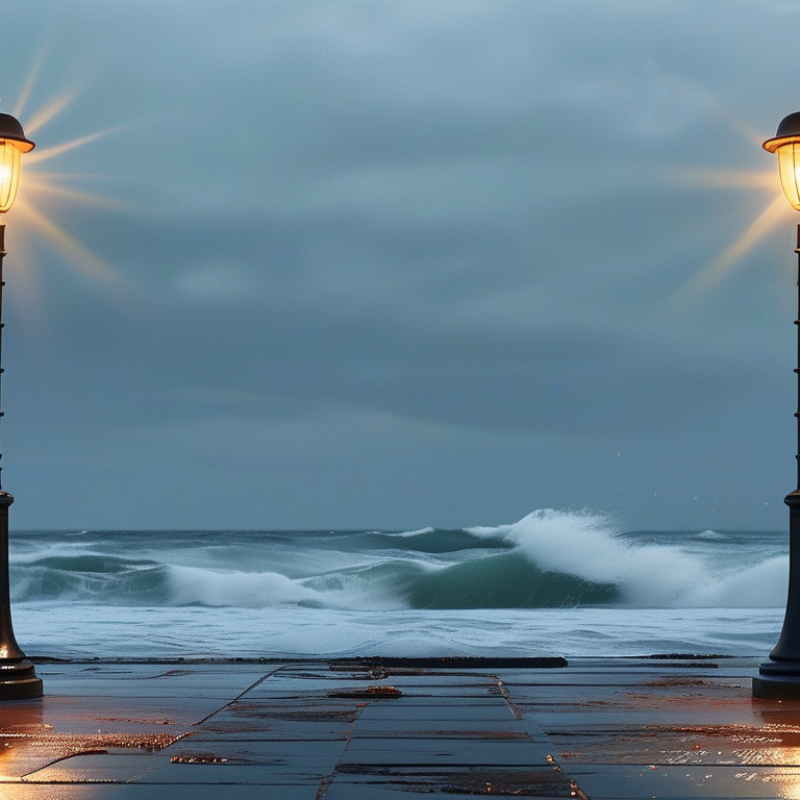
When it comes to coastal street lights, waterproof ratings are crucial due to exposure to harsh weather. The Ingress Protection (IP) rating system is the standard used to classify these fixtures. A higher IP rating indicates better protection against water and dust. For coastal areas, lights with a minimum IP65 rating are recommended. This rating means they are dust-tight and can withstand water jets.
Coastal environments can be particularly challenging. Saltwater and strong winds can damage poorly rated fixtures. A report from the Lighting Research Center indicates that around 30% of outdoor lighting failures are due to inadequate waterproofing. This data emphasizes the need for robust standards. A growing trend is to use materials like marine-grade aluminum, which offers resistance to corrosion and improves longevity.
Some designs look appealing but might not meet these standards. Aesthetic considerations should not compromise functional safety. It’s essential to assess both beauty and endurance. Inconsistent testing procedures across manufacturers can also lead to confusion. Properly vetted ratings based on real-world conditions are necessary to ensure reliability in coastal street lighting.
This chart illustrates the waterproof ratings for different coastal street light standards. Higher IP ratings indicate better protection against water, which is crucial for durability in coastal environments.
When selecting coastal street lights, understanding Ingress Protection (IP) ratings is essential. IP ratings determine how well lighting fixtures resist dust and moisture. For coastal environments, a high IP rating is crucial. These areas often face harsh weather, including saltwater and heavy winds.
A reliable choice for coastal areas is lighting with an IP rating of at least IP65. This rating signifies that the fixture is dust-tight and protected against water jets. However, many overlook the importance of regular maintenance. Corrosion can occur over time, even with high IP-rated lights. It's important to check fixtures periodically for salt buildup and wear signs.
Tip: Consider using LED fixtures that have a higher lumen output. They provide bright light while consuming less energy. Another helpful tip is to raise street lights above potential water levels. This simple adjustment can enhance durability. Remember, even the best lighting solutions require attention to detail and proper care. A proactive approach ensures longevity and optimal performance.
Corrosion resistance is crucial for coastal street lights. Coastal environments expose fixtures to humidity, salt, and harsh winds. According to industry reports, nearly 25% of outdoor lighting fixtures fail within the first five years when exposed to these conditions. The impact of corrosion can lead to increased maintenance costs and safety risks.
Choosing materials designed for these environments can help mitigate issues. Fixtures made from stainless steel or specific coated metals are preferable. They can withstand saline air. However, even these materials are not foolproof. Corrosion can still occur over time, affecting lifespan and performance. Regular inspections and maintenance are vital to ensure functionality.
A study from the Lighting Research Center highlights that proper design and material selection can enhance lifetime performance by over 50%. Implementing best practices in installation and maintenance is equally important. Communities must consider local conditions and choose appropriately rated fixtures for longevity. Without this, the consequences can be significant.
Coastal environments are unique and demanding. The salty air and moisture can damage outdoor lighting fixtures. Therefore, selecting lights with appropriate waterproof ratings is crucial for durability and performance. IP67 and IP68 ratings are ideal for areas exposed to harsh conditions.
An IP67 rating offers protection against immersion in water up to 1 meter for 30 minutes. This is valuable for regions with occasional flooding. On the other hand, an IP68 rating guarantees protection against continuous immersion beyond 1 meter. These lights can withstand heavier rainfall and high waves, ensuring long-term reliability.
Opting for these ratings does have its challenges. Installation and maintenance may require careful planning. It's essential to consider the specific conditions of the coastal area. Regular inspections will be needed to ensure functionality over time. Waterproof ratings can provide confidence, but they don't eliminate the need for proactive care.
In coastal environments, street light systems face unique challenges. Corrosive saltwater and high humidity can significantly impact material performance. A recent study indicated that over 40% of street lights in coastal areas fail within the first five years due to inadequate material selection.
Teaming together corrosion-resistant materials is essential. Aluminum alloys and stainless steel often rank high in durability. However, not all grades perform equally. For instance, marine-grade stainless steel shows superior resistance to rust compared to standard types. Installing fixtures with an IP68 waterproof rating can enhance longevity, but maintenance is still needed to address barnacle and algae buildup.
Additionally, the effectiveness of protective coatings cannot be overlooked. A comprehensive report revealed that coatings can extend the lifespan of coastal street lights by up to 30%. Yet, the coating must be reapplied periodically. This adds an ongoing cost and operational challenge. Proper evaluation of both material choices and maintenance schedules is crucial to achieving reliable performance in these harsh conditions.
| Material | Waterproof Rating (IP) | Corrosion Resistance | Life Expectancy (Years) |
|---|---|---|---|
| Aluminum Alloy | IP65 | Highly Corrosion Resistant | 20 |
| Stainless Steel | IP67 | Excellent Corrosion Resistance | 25 |
| Polycarbonate | IP68 | Moderate Corrosion Resistance | 15 |
| Fiberglass Reinforced Polymer | IP69K | Good Corrosion Resistance | 30 |
: The IP rating shows how well a lighting fixture resists dust and moisture.
High IP ratings help lighting withstand harsh weather, saltwater, and heavy winds.
An IP rating of at least IP65 is recommended for coastal street lights.
Regular maintenance should be conducted to check for salt buildup and signs of wear.
IP67 and IP68 ratings are best for areas facing extreme conditions.
IP67 protects against immersion in water up to 1 meter for 30 minutes.
Installation and maintenance may require careful planning and regular inspections.
No, waterproof ratings don't negate the need for proactive care and checks.
LED fixtures offer higher lumen output with lower energy consumption.
Raising street lights above potential water levels can improve their longevity.
When considering coastal street lights, an important question arises: which waterproof rating is best for coastal street lights? To ensure long-lasting performance in harsh marine environments, understanding Ingress Protection (IP) ratings is crucial. IP67 and IP68 ratings are recommended for coastal lighting solutions, offering strong resistance against moisture and dust intrusion. Additionally, the significance of corrosion resistance must not be overlooked, as coastal conditions can exacerbate wear and tear on lighting fixtures.
Evaluating material durability is also critical, as selecting the right materials can enhance the longevity and reliability of street lights in challenging coastal settings. By prioritizing these factors, municipalities can ensure that their coastal street lighting solutions are robust enough to withstand the unique environmental challenges they face.

WoodLit Light