What Is the Best Way to Store Heavy Duty 3D Decorations?

Time:2026-09-08 Author:Madeline
0%

Heavy-duty 3D decorations create strong visual impact, but their weight and complex shapes make storage difficult. Oversized holiday figures, event props, and outdoor displays can crack, warp, or collect moisture when stored carelessly. The right method protects both the decoration and the people handling it. A stable storage plan should consider material, weight, surface finish, indoor conditions, and available space.

This guide explains How to store heavy-duty 3D decorations during the off-season without relying on guesswork. Begin by cleaning dust, soil, and moisture from every surface. Check joints, wiring, paint, and mounting points before packing. Small damage can become expensive after several months. Use padded supports instead of placing decorations directly on concrete floors. Concrete may transfer cold and moisture. Heavy pieces should rest on strong pallets, not thin cardboard. Keep fragile projections separated with foam, blankets, or custom-cut supports. Avoid tightly wrapping damp items.

Leave room for inspection.

A dry, ventilated room is usually safer than a sealed, overheated container. However, climate conditions vary, and even careful storage can fail when humidity changes quickly. I have seen protective covers trap condensation against painted surfaces, causing peeling and dull patches. Breathable covers may work better, but they still need regular checks. Label each piece by location and lifting needs. Record its condition with photographs before storage. This simple habit can reveal problems early and make the next installation safer, faster, and more reliable.
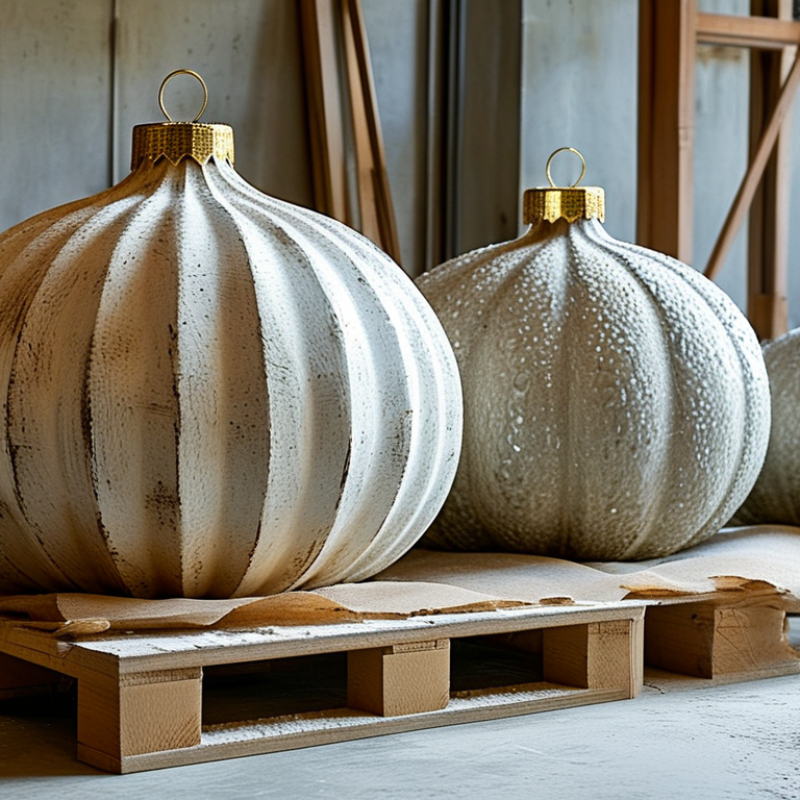
What Is the Best Way to Store Heavy Duty 3D Decorations?

Assess the Weight, Size, and Material of Each 3D Decoration

What Is the Best Way to Store Heavy Duty 3D Decorations?

Before choosing a storage method, assess each decoration’s weight, size, and material. A wide plaster figure may weigh less than a compact metal piece, yet it needs more shelf space. Measure height, width, depth, and the widest projecting parts. Record the weight on a simple label. This prevents unsafe guessing later.

In practical storage work, I place the heaviest decorations on the lowest shelves. Check each shelf’s load rating before using it. Use padded platforms that support the whole base, not just the center. Metal objects may tolerate pressure, but painted surfaces can scratch easily. Resin and plaster can crack from sudden impact. Foam decorations are lighter, but they may deform under stacked items. Keep fragile finishes away from rough wood and exposed fasteners.

Size also controls handling. A tall decoration can tip even when its weight seems manageable. Secure it with soft straps, leaving enough room for inspection. Leave a small gap between pieces for air circulation and safe lifting. I once focused too much on total weight and overlooked an uneven base. That mistake made the item unstable. Now I test balance gently before storing anything. Humidity matters as well, especially for wood, plaster, and fabric-covered parts. Use dry, clean storage areas and inspect decorations regularly for dust, moisture, or new surface damage.

What Is the Best Way to Store Heavy Duty 3D Decorations?

Assess the weight, size, and material of each decoration before selecting shelves, pallets, lifting equipment, and protective packaging.

Decoration Material Approx. Dimensions Weight
Carved Panel Plywood 120 × 60 × 8 cm 8 kg
Standing Figure Fiberglass 90 × 55 × 140 cm 18 kg
Decorative Statue Resin 75 × 60 × 110 cm 25 kg
Large Planter Concrete 80 × 80 × 70 cm 42 kg
Frame Prop Steel 100 × 70 × 160 cm 32 kg

Use the weight to confirm the load rating of shelves and pallets, the dimensions to calculate aisle and stacking space, and the material to choose suitable padding and humidity protection. These are representative planning values; verify the actual specifications of each decoration before storage.

Choose a Suitable Storage Area and Prepare the Supporting Equipment

Heavy-duty 3D decorations need more than an empty corner. Choose a dry, enclosed storage area with a level floor and enough turning space for handling equipment. NFPA’s Warehouse Structure Fires report estimated about 1,200 warehouse fires annually in the United States during 2009–2013. This supports a careful approach to heat, wiring, and combustible packing materials.

Measure each decoration before selecting shelving. Check the shelf’s rated capacity, then keep a safety margin for uneven weight distribution. OSHA guidance requires safe clearances where mechanical handling equipment operates. Leave visible aisles around racks, doors, and emergency access points. A pallet jack, lifting table, or four-wheel dolly can reduce awkward manual lifting. Use padded separators between painted surfaces. Secure tall pieces with straps, but do not compress fragile details.

Control the environment, too. ASHRAE’s HVAC Applications Handbook links material protection with temperature and humidity management. A practical target is stable conditions near 18–24°C and 45–55% relative humidity, adjusted for the decoration’s materials. Use a hygrometer at decoration height, not beside the doorway. My weak assumption would be trusting one reading. Conditions can vary sharply near walls. Inspect supports every month, record visible damage, and revise the layout after real handling trials. neat storage can still hide a tipping risk.

Clean, Dry, and Protect Decorations Before Placing Them in Storage

What Is the Best Way to Store Heavy Duty 3D Decorations?

Clean, Dry, and Protect Decorations Before Placing Them in Storage

Before storing heavy-duty 3D decorations, remove dust, soil, and residue from every surface. Dirt holds moisture against paint, fabric, foam, and unfinished wood. Use a soft brush or low-pressure vacuum for textured areas. Wipe hard, sealed surfaces with a barely damp cloth and a mild cleaner. Test an unseen spot first. Some finishes react badly to water.

Let each piece dry completely. Not almost dry. Place decorations on a clean rack, with airflow underneath and around joints. Check hollow sections, screw holes, and fabric seams because trapped moisture can cause odors, stains, or corrosion. I once packed a prop that felt dry outside but remained damp inside. The hidden moisture appeared weeks later. That mistake changed my storage routine.

Protect weight-bearing points before stacking. Wrap painted edges with acid-free tissue or clean polyethylene sheeting, then add padded separators. Do not let heavy pieces rest on thin arms, spikes, or raised lettering. Use sturdy containers that keep their shape, and label each container with contents and orientation. Store boxes on pallets or shelving, away from concrete floors, direct sunlight, heaters, and leaking pipes. Keep the area cool and stable, but inspect it every few months. Storage plans are never perfect. A quick inspection can reveal problems before repairs become expensive.

What Is the Best Way to Store Heavy Duty 3D Decorations? — Clean, Dry, and Protect Decorations Before Placing Them in Storage

Decoration Type Typical Weight Cleaning Before Storage Drying Requirement Recommended Protection Storage Conditions Stacking Guidance Inspection Schedule
Large Foam or Resin Figures 5–25 kg Remove dust with a soft brush or low-pressure vacuum. Wipe washable surfaces with a lightly damp microfiber cloth. Air-dry completely for at least 24 hours, especially around seams and hollow sections. Wrap in acid-free tissue or a soft nonwoven cover. Add corner guards and place in a rigid carton or custom crate. 18–24°C; relative humidity below 60%; keep away from direct sunlight and heat sources. Do not stack. Store upright on a level, padded base. Every 3 months and after major temperature or humidity changes.
Metal Sculptures and Frameworks 10–60 kg Brush away loose debris and wipe metal surfaces dry. Check joints, welds, fasteners, and coated areas for corrosion. Dry immediately after cleaning; moisture must not remain in joints, tubes, or recessed details. Use a breathable cover and foam separators. Avoid materials that trap condensation directly against metal. 15–24°C; relative humidity below 55%; use raised pallets in areas with possible floor moisture. Place heavy pieces on the bottom; use blocking to prevent movement and contact. Every 1–3 months, with extra checks during humid seasons.
Fiberglass or Reinforced Plastic Props 8–35 kg Clean with mild soap solution and a soft cloth. Do not use abrasive pads or strong solvents unless the surface instructions permit them. Allow 12–24 hours of ventilation before wrapping or closing the container. Use soft foam padding at protruding parts. Cover with breathable fabric and secure inside a padded crate. 15–25°C; relative humidity below 60%; protect from ultraviolet light and large temperature swings. Use a single layer whenever possible; never place point loads on thin panels. Every 6 months or before each use.
Plaster, Concrete, or Stone-Look Pieces 15–80 kg Use a dry brush or low-suction vacuum. Remove loose particles without saturating porous surfaces. Keep uncovered in a ventilated area for 24–48 hours before packing. Use a rigid pallet, moisture barrier beneath the item, and high-density foam blocks at load-bearing points. 15–24°C; relative humidity below 55%; avoid damp basements and unsealed floors. Do not stack unless the pieces are specifically engineered for stacking. Every 1–3 months; inspect for cracks, efflorescence, or surface powdering.
Large Fabricated Wood Decorations 10–50 kg Dust thoroughly and wipe with a nearly dry cloth. Confirm that no food residue, grease, or organic debris remains. Allow at least 24 hours of ventilation after any damp cleaning. Use breathable moving blankets, edge protectors, and a pallet. Keep painted faces from rubbing against one another. 18–24°C; relative humidity 40–60%; avoid rapid humidity changes that can cause swelling or cracking. Stack only with a flat, weight-bearing base and protective spacers; keep heavy items below lighter ones. Every 3–6 months.
Inflatable or Soft-Shell 3D Decorations 2–15 kg Remove dirt with a soft brush and clean stains using a material-compatible mild detergent. Fold loosely without sharp creases and place in a breathable storage bag. Keep hardware in a separate padded pouch. 15–25°C; relative humidity below 60%; store away from pests, sunlight, and sharp edges. Place on top of other items; do not compress under heavy loads. Every 3 months; unfold and air out at least twice per year.
Illuminated or Electrical Decorations 5–30 kg Disconnect power, remove dust, and check cords, plugs, sockets, and controllers for damage before packing. Ensure all surfaces and electrical connections are completely dry before storage. Coil cables loosely, use cable ties without crushing insulation, and protect the unit in a padded, rigid container. 15–25°C; relative humidity below 55%; do not store near water, chemicals, or condensation-prone walls. Keep electronics on top or in separate compartments; avoid pressure on lenses and connectors. Every 3–6 months and before reconnection to power.

Use Reinforced Shelving and Secure Packing for Heavy Decorations

Heavy-duty 3D decorations need more than an empty corner. Their weight can stress weak shelves, bend panels, or damage nearby items. Use reinforced shelving with thick supports, level feet, and a safe load rating above the decoration’s actual weight. Steel frames and solid shelves usually provide better stability than lightweight furniture. Place heavier pieces on lower levels to reduce tipping risks.

Measure each decoration before storage. Leave enough clearance for handles, sharp edges, and unusual shapes. Secure the shelving against a suitable wall when possible. Soft floor pads can reduce vibration and prevent scratches. I once underestimated the space needed for a wide display base. That small mistake made access awkward.

Tips: Wrap each piece with clean foam, then place it inside a strong box or custom crate. Fill empty spaces with firm cushioning, not loose paper alone. Separate painted surfaces with non-abrasive sheets. Label the box with its weight, orientation, and “handle carefully” notice. Check the packing after moving it; materials can settle, and protection may become uneven. Keep storage dry, cool, and away from direct sunlight. Regular inspections help, although they may reveal packing choices that need improvement.

Inspect Stored Decorations Regularly and Improve Their Protection

Heavy duty 3D decorations need more than a strong shelf and a covered corner. Their weight can stress joints, bases, and painted surfaces during storage. I inspect each piece before placing it away. I look for loose bolts, hairline cracks, faded areas, and moisture marks. Small damage rarely stays small.

Monthly inspections work well for most indoor storage rooms. Busy warehouses may need weekly checks. I lift protective covers carefully and examine the floor beneath each decoration. Dust rings, insects, or damp patches can reveal hidden problems. I also check whether the storage rack has shifted. A tilted rack is a warning.

Protective material must support the decoration without pressing against delicate details. Use padded dividers around thin edges and raised platforms under heavy bases. Keep decorations away from walls where condensation may collect. Good airflow matters. However, I once used overly thick wrapping and trapped moisture inside. That mistake taught me to leave ventilation gaps and avoid sealing damp items.

Record each inspection with the date, condition, and action taken. Photos can show gradual color changes more clearly than memory. Replace torn covers immediately. Tighten loose hardware with the correct tools, but do not force brittle parts. Storage conditions should also be reviewed after storms, temperature changes, or room rearrangement. Protection is never permanent. It needs attention.

FAQS

: How should I assess a 3D decoration before storing it?

: Measure its height, width, depth, and widest projecting parts. Weigh it and record the weight on a label. Check the base carefully. An uneven base may create an unexpected tipping risk.

Where should heavy decorations be placed?

Put the heaviest pieces on the lowest shelves. Check each shelf’s load rating beforehand. Use a padded platform supporting the entire base. Do not rely on an empty corner.

What type of shelving is suitable?

Choose reinforced shelving with thick supports, level feet, and a suitable load rating. Solid shelves and strong frames improve stability. Secure the shelving to an appropriate wall when possible. Weak furniture can bend.

How can I protect decorations during storage?

Wrap each piece with clean foam. Place it in a strong box or fitted crate. Fill empty spaces with firm cushioning. Loose paper alone may leave gaps. Separate painted surfaces with smooth, non-abrasive sheets.

How should different materials be handled?

Painted metal can scratch under pressure. Resin and plaster may crack after sudden impacts. Foam is light but can deform under weight. Keep rough wood and exposed fasteners away from fragile surfaces.

How much space should I leave around each item?

Leave a small gap between decorations for airflow and safe lifting. Allow extra clearance around handles, sharp edges, and unusual shapes. Crowded storage makes inspection harder. I once underestimated a wide base.

How can I prevent tall decorations from tipping?

Test the balance gently before storage. Secure tall pieces with soft straps. Keep straps firm but not excessively tight. A decoration may seem manageable yet remain unstable.

What storage conditions are recommended?

Keep the area dry, clean, cool, and away from direct sunlight. Humidity can affect wood, plaster, and fabric-covered parts. Inspect items regularly for dust, moisture, and new surface damage. Checks may expose earlier packing mistakes.

What information should be written on each package?

Label the package with its weight, orientation, and a clear handling warning. Recheck the packing after moving it. Cushioning can settle and leave one side poorly protected. That detail is easy to miss.

Conclusion

How to store heavy-duty 3D decorations during the off-season begins with understanding what you are handling. Record each decoration’s weight, dimensions, shape, and material so you can choose an appropriate storage method. Select a dry, clean, well-ventilated area with enough clearance for safe movement. Before storage, remove dust and residue, allow every item to dry completely, and use protective covers or padding to reduce scratches, moisture exposure, and surface damage.

Heavy decorations should rest on reinforced shelving, stable platforms, or floor supports that can safely carry their load. Distribute weight evenly, keep larger pieces on lower levels, and secure tall or irregular items to prevent tipping. Use strong packing materials without compressing fragile details, and label each package for easier handling. During the off-season, inspect the storage area and decorations regularly for moisture, pests, shifting, or weakened supports. Promptly improve ventilation, replace damaged protection, and adjust the arrangement whenever necessary to preserve the decorations’ condition.

Madeline

Madeline

Madeline is a dedicated marketing professional with a wealth of expertise in our company's core offerings. With a keen understanding of the industry, she brings a unique perspective to her role, consistently delivering high-quality content that highlights the superior aspects of our products. As......