What is the difference between 2D and 3D motif lights?

Time:2026-07-25 Author:Charlotte
0%

When evaluating decorative lighting options, many people wonder, "What is the difference between 2D and 3D motif lights?" This question is essential for making informed decisions. Both types bring unique aesthetics and effects that enhance any space, especially during festive seasons.

2D motif lights create flat designs, offering a simple yet elegant appearance. They are often used for outlining, such as in window displays or wall decorations. This simplicity allows for straightforward installation and effective illumination. However, they may lack the depth that some users desire.

In contrast, 3D motif lights add dimension and depth. They create a striking focal point using shape and volume. This style can transform ordinary spaces into spectacular displays. Yet, the complexity of installation can be a drawback for some users. By understanding the nuances in design and functionality, one can choose the right style for their needs.
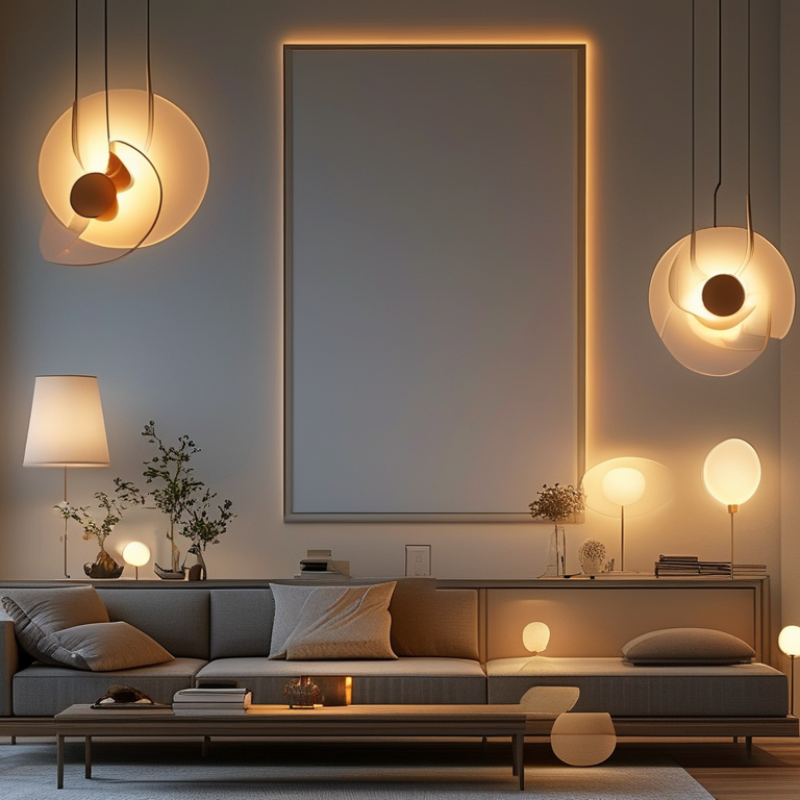
What is the difference between 2D and 3D motif lights?

Understanding the Basics of Motif Lighting: 2D vs 3D

When exploring motif lighting, understanding the distinction between 2D and 3D designs is essential. 2D motif lights often feature flat designs that create static visuals. They project images or patterns, which can be effective for simple decorations. For instance, a 2D star shape can enhance a holiday display. However, these designs lack depth, making them less dynamic.

In contrast, 3D motif lights offer a more immersive experience. They include layers and dimensionality, which can cast shadows and create an engaging atmosphere. A 3D snowman might have cutouts that let light shine through in various ways. This complexity often results in a more captivating visual effect. Yet, the added intricacies could complicate installation and maintenance.

Choosing between 2D and 3D motifs depends on the desired aesthetic and application. Some may prefer straightforward designs for ease. Others might want the allure of depth and shadow. Both styles have their merits and challenges, prompting reflection on the best choice for any setting.

Key Characteristics of 2D Motif Lights: Design and Functionality

2D motif lights are widely used in various settings, enhancing aesthetics without overwhelming surroundings. They often feature flat designs that create visual depth through patterns and shapes. According to industry reports, nearly 65% of consumers prefer 2D lighting due to its versatility. These lights excel in directional lighting while remaining energy efficient.

When selecting 2D motif lights, it's important to consider the installation area. For example, in small rooms, large patterns may feel cramped. Instead, choose smaller designs to maintain space harmony. Think about how color temperature affects the mood. Warmer tones can create a cozy atmosphere, while cooler lights suggest modernity.

Tips: Use dimmers to adjust 2D lights for different occasions. This can enhance their functionality. Remember that even subtle design changes can significantly impact the overall look. Analyze spaces regularly. Reflecting on how lighting affects mood and functionality can lead to better design choices.

Exploring 3D Motif Lights: Depth, Dimension, and Aesthetics

3D motif lights bring a new depth and dimension to any space. Unlike their 2D counterparts, they create a layered effect, engaging viewers from various angles. The shadows and highlights cast by these lights enrich environments. A well-placed 3D motif can transform a mundane area into a dynamic visual experience.

Incorporating 3D lights into design requires a keen eye for aesthetics. It involves choosing the right shapes and colors that complement the existing décor. One challenge is ensuring that the 3D effect doesn’t overwhelm the space. Balance is crucial. Think about where to install these lights for maximum impact. Lighting height and placement can greatly alter the perception of depth.

Experimentation is key in achieving the desired look. The interplay of light and shadow can differ significantly depending on the surroundings. Sometimes, the results may not be what you expect. Reflect on how the 3D motif interacts with other elements. This ongoing process can lead to unexpected creativity. Embracing imperfection in design can yield unique, breathtaking results.

Applications of 2D and 3D Motif Lights in Various Industries

2D and 3D motif lights play important roles in various industries. They enhance spaces in creative and functional ways. For instance, in event planning, 2D lights create vibrant backdrops. Their flat designs display patterns effectively on walls and stages. In contrast, 3D lights offer a more immersive experience. They project images that appear to have depth. This can transform ordinary venues into captivating environments.

In retail, both types of lights attract customers. 2D lights effectively showcase products with clear, vibrant designs. Retailers rely on them for window displays and in-store marketing. Meanwhile, 3D lights enhance showrooms with engaging visuals. These installations can make products stand out. They may even influence purchase decisions by creating an emotional connection with customers.

In the hospitality sector, 2D motifs fit well into traditional designs. They create a welcoming atmosphere in hotels and restaurants. On the other hand, 3D motif lights are more dynamic. They often change colors or effects throughout the night. This can reflect the mood of the venue. However, there may be challenges in installation and maintenance. Balancing aesthetics with functionality requires careful planning and execution.

Comparative Analysis: Efficiency and Longevity of 2D vs 3D Lighting

When comparing 2D and 3D motif lights, efficiency emerges as a key differentiator. 2D lights typically use fewer resources, consuming around 40% less energy than their 3D counterparts. This efficiency can lead to significant cost savings over time. However, these lights may lack the depth and visual appeal of 3D designs. According to a recent industry report, 3D lights can create stunning visual effects, enhancing ambiance in spaces. They often require more energy, leading to higher operational costs.

Longevity is another crucial factor. 3D lights, while visually appealing, can have a shorter lifespan. Many 3D lights last approximately 25,000 hours, whereas some 2D models can reach up to 50,000 hours. This discrepancy may lead to more frequent replacements for 3D options. It raises questions about sustainability in lighting choices. Maintenance is often overlooked as well; 3D lights may need more attention to keep their performance steady over time.

Ultimately, the choice between 2D and 3D lighting should consider both efficiency and longevity. While visually striking, 3D lights come with challenges that require careful thought. The balance between aesthetic appeal and practical efficiency defines the future of lighting technology.

FAQS

: What are the main differences between 2D and 3D motif lights?

: 2D lights are flat and static, while 3D lights have depth and dimension. 3D lights create dynamic visuals, engaging viewers more effectively.

Why might someone choose 2D lights over 3D lights?

2D lights offer simplicity and ease of installation. They can suit designs that don’t require depth or complex visuals.

What advantages do 3D motif lights provide?

3D lights create immersive experiences. They cast shadows and highlights, enriching environments with layered effects.

How important is placement for 3D lights?

Placement is crucial for 3D lights. It affects the perceived depth and overall impact. Higher or lower positions change visual experiences.

What challenges come with 3D motif lights?

3D lights can complicate installation and maintenance. There’s also a risk of overwhelming a space if not balanced properly.

How do 2D lights enhance event planning?

They create vibrant backdrops with clear designs. Their flat visuals are effective for wall displays and stage settings.

In what ways do 3D lights impact retail environments?

3D lights make products stand out, creating emotional connections. Their engaging visuals attract customers and enhance marketing efforts.

Is experimentation important when using 3D lighting?

Yes, experimentation is key. Results can differ based on surroundings, leading to unexpected creativity in design.

Can 2D and 3D lights be used together?

Yes, combining both can achieve balance. This requires thoughtful planning to ensure they complement each other well.

What should be considered while choosing colors for 3D lights?

Colors should complement existing décor and enhance aesthetics. The interplay of colors can significantly affect the overall look.

Conclusion

The article titled "What is the difference between 2D and 3D motif lights?" delves into the fundamental distinctions between these two types of motif lighting. It begins by defining motif lighting and highlights the key characteristics of 2D motif lights, which focus on flat designs and functionality, making them suitable for simplistic displays. In contrast, the exploration of 3D motif lights reveals their depth and dimension, contributing to more dynamic visual experiences and enhanced aesthetics.

Furthermore, the article discusses various applications of both 2D and 3D motif lights across different industries, showcasing their versatility. A comparative analysis of efficiency and longevity emphasizes the practical considerations that influence the choice between 2D and 3D lighting options. Overall, understanding these differences is critical for selecting the appropriate lighting style for specific design needs.

Charlotte

Charlotte

Charlotte is a seasoned marketing professional with a deep understanding of the company's portfolio and a passion for elevating its presence in the market. With a keen eye for detail and a commitment to excellence, she ensures that our professional blog is regularly updated with insightful articles......