Why Choose DMX RGB Lighting Over Traditional Static LEDs?

Time:2026-05-22 Author:Aria
0%

The evolution of lighting technology has transformed the way we illuminate our environments. This brings us to the question, "Why choose DMX RGB lighting over traditional static LEDs?" Recent industry reports, such as those from Gartner, show that market demand for dynamic lighting solutions is on the rise, with a projected annual growth of 12% over the next five years. This shift highlights a growing preference for customizable lighting experiences over static options.

DMX RGB lighting systems offer versatility that static LEDs simply cannot match. By allowing users to control colors and effects, DMX RGB lighting enhances the ambiance of any space. A 2022 survey revealed that 78% of event planners prefer using DMX systems for their flexibility and creativity. However, fully harnessing this technology requires expertise, and many users struggle with complexities in setup and programming.

Though dynamic lighting provides incredible possibilities, the transition from static options demands careful consideration. Some users may find the initial investment and learning curve daunting. Even so, the long-term benefits are evident. Enhanced visual appeal and engaging designs can significantly elevate user experience, making DMX RGB lighting an exciting choice for modern lighting needs.
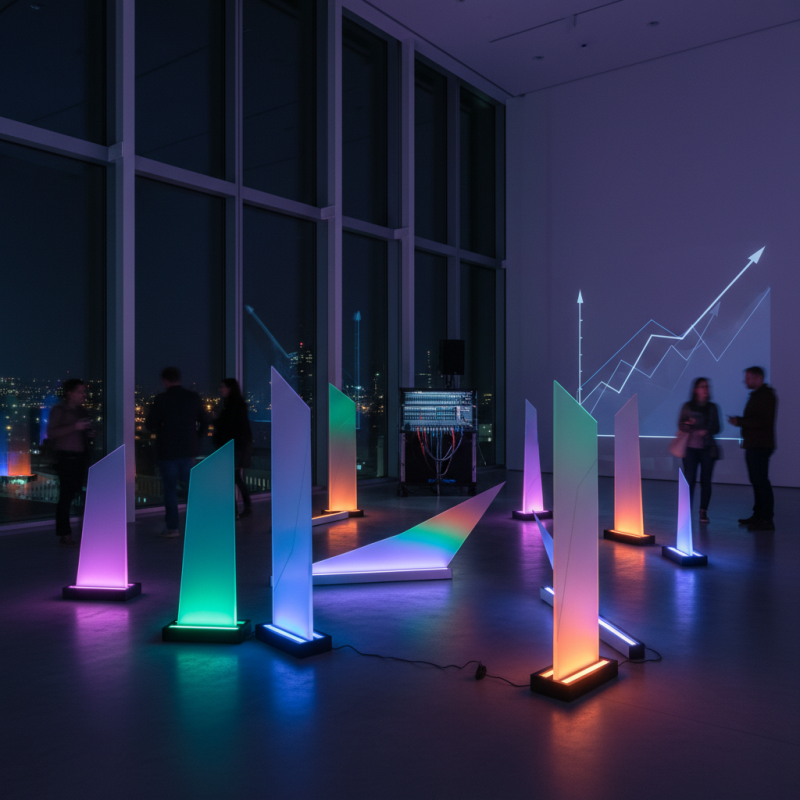
Why Choose DMX RGB Lighting Over Traditional Static LEDs?

Benefits of DMX RGB Lighting Compared to Static LEDs

DMX RGB lighting offers significant advantages over traditional static LEDs. One major benefit is flexibility. DMX systems allow users to create dynamic lighting effects that can change in real-time. This feature is ideal for events, performances, and installations. Static LEDs, on the other hand, provide a fixed color. They lack the ability to adapt quickly to different settings or moods.

Additionally, DMX RGB lighting supports intricate programming. Users can sequence colors, create fades, and sync lights to music. This level of control adds an artistic dimension that static LEDs simply cannot match. For instance, a concert with DMX RGB lights can create an immersive atmosphere that enhances the overall experience. However, this complexity can be daunting for beginners. Without proper training, programming can feel overwhelming.

Moreover, maintenance is another aspect where DMX RGB lighting excels. By using advanced control systems, these lights can monitor their performance. This feature reduces the likelihood of disruptions during shows. In contrast, static LEDs may require more frequent manual checks. They don’t offer the same level of monitoring, leaving room for potential issues. Embracing DMX RGB lighting may involve a learning curve, but the rewards can be substantial.

Enhanced Flexibility with DMX RGB Lighting Solutions

DMX RGB lighting solutions stand out due to their remarkable flexibility. Unlike traditional static LEDs, DMX systems allow for real-time adjustments of color and intensity. This adaptability enhances creativity in various applications, from concerts to theater productions. A report from the Entertainment Services and Technology Association highlights that 75% of event professionals believe adjustable lighting improves audience engagement.

Another key aspect is scalability. DMX networks can control hundreds of fixtures simultaneously. This scalability is crucial for large venues and festivals, where dynamic lighting effects play a pivotal role. According to a study by the Institute of Lighting Professionals, installations using DMX RGB systems reduced setup time by 40%. This significant time-saving allows for quick modifications based on audience reactions or event needs.

However, the learning curve can pose challenges. Users must understand the DMX protocol to maximize potential. Training can be an added cost for some organizations. Despite this drawback, the long-term benefits outweigh initial hurdles. For example, flexibility in design means you can change an entire visual experience effortlessly. Embracing DMX RGB lighting often leads to richer, more immersive environments that static LEDs simply cannot achieve.

Improved Synchronization and Control in Lighting Design

DMX RGB lighting offers significant advantages over traditional static LEDs, particularly in synchronization and control. According to a recent industry report by the Lighting Research Center, DMX systems can provide up to 512 channels of control. This means each light can be individually addressed and programmed, allowing for intricate lighting designs that respond dynamically to environmental changes. The flexibility to control colors and intensity in real-time enhances the overall aesthetic and engagement of any space.

The control offered by DMX RGB lighting is also remarkable when it comes to creating immersive experiences. The use of programmable lighting scenarios can transform a room completely, creating moods that shift with music or visual elements. An industry study showed that events utilizing DMX systems increased audience engagement by over 30%. However, while these systems enable stunning creations, they demand technical expertise. Not all designers possess the knowledge required to maximize their capabilities. This gap can lead to underutilized setups that fall short of their potential impact.

Additionally, synchronizing multiple fixtures can introduce challenges. The setup requires precise calibration, and any misconfiguration may result in disjointed effects. Some users may struggle with the complexity of programming sequences, which can deter them from leveraging the full potential of DMX technology. Hence, ongoing education and training in this domain are crucial for professionals looking to enhance their lighting designs effectively.

Creative Lighting Effects with DMX RGB Technology

DMX RGB technology transforms ordinary spaces into vibrant experiences. Unlike traditional static LEDs, DMX allows for dynamic color changes and effects. This capability provides a level of creativity that static lights simply cannot match. The ability to program intricate sequences adds depth to any event. Imagine a dance floor pulsating with colors that change to the beat of the music. This is where DMX shines.

The versatility of DMX RGB lights opens up endless possibilities. Users can create mood-specific environments seamlessly. A soothing warm white can shift to a lively cool blue with just a push of a button. Each color transition can evoke different emotions. However, mastering DMX systems requires patience. Not everyone will get it right on the first try. It's a skill that develops through practice and experimentation.

Moreover, the complexity of DMX programming may initially feel daunting. It can lead to mistakes and frustration. But these challenges also foster creativity. Each misstep offers a lesson, refining skills and enhancing future designs. DMX RGB technology not only illuminates spaces; it inspires innovation and artistic expression. Each event becomes a unique canvas, reflecting the user's vision and creativity.

Cost-Effectiveness and Energy Efficiency of DMX Systems

DMX RGB lighting systems offer significant advantages over traditional static LEDs, especially concerning cost-effectiveness and energy efficiency. One of the most compelling reasons is their programmable nature. Users can customize color, brightness, and effects, reducing the need for multiple fixtures. This flexibility leads to lower operational costs over time. Businesses can maximize visual impact without continually purchasing new equipment.

Moreover, DMX systems require less power compared to static LEDs. They adjust output according to the desired effects, which can lead to significant energy savings. This is especially beneficial for venues that use lighting for extended periods. However, there may be an initial installation cost for DMX systems. Careful planning and setup are crucial to ensure long-term savings.

Reliability in these systems can be a mixed bag. While DMX lighting can be more efficient, improper setup can lead to issues. Users may face challenges in managing complex lighting designs. It's vital to have a knowledgeable technician to avoid costly mistakes. By investing in expert installation and maintenance, users can fully harness the benefits of DMX technology.

Benefits of DMX RGB Lighting vs Traditional Static LEDs

FAQS

: What are the main advantages of DMX RGB lighting systems?

: DMX RGB lighting offers flexibility, scalability, and creative control over colors and intensities.

How does DMX lighting improve audience engagement?

Adjustable lighting can enhance experiences, making events more immersive and interesting for attendees.

Can DMX RGB systems control multiple lights at once?

Yes, DMX networks can handle hundreds of fixtures simultaneously, ideal for large venues.

What is a common challenge when using DMX lighting?

Users often face a learning curve and need to grasp the DMX protocol fully to utilize its capabilities.

How does DMX contribute to creative expressions in events?

It allows users to program intricate lighting sequences, transforming spaces and matching moods to music or visuals.

What could make DMX programming frustrating for beginners?

The complexity of programming can lead to mistakes, causing initial frustration and discouragement.

Is professional training necessary for DMX RGB lighting?

Yes, training helps maximize potential, reducing the risk of underutilized systems or disjointed effects.

How quick can event setups be with DMX lighting?

DMX RGB installations can reduce setup time by about 40%, enabling quicker adaptations during events.

What happens if the programming is misconfigured?

Misconfiguration can lead to non-synchronized effects, negatively impacting the overall lighting experience.

How does experimentation influence mastering DMX systems?

Each mistake teaches valuable lessons, improving skills and fostering innovative designs over time.

Conclusion

In exploring "Why choose DMX RGB lighting over traditional static LEDs," it becomes evident that DMX RGB lighting offers numerous advantages that can significantly enhance any lighting design. One of the primary benefits is the increased flexibility that DMX systems provide, enabling users to customize colors and patterns seamlessly. Additionally, DMX RGB lighting allows for improved synchronization and control, making it easier to create dynamic light shows that can respond to music or other triggers.

Moreover, the creative potential of DMX RGB technology allows for innovative lighting effects that can transform spaces and engage audiences in ways that static LEDs simply cannot. Not only do DMX systems offer these features, but they are also cost-effective and energy-efficient in the long run, making them a smart choice for both professional and personal use. Overall, DMX RGB lighting stands out as a superior option for those seeking versatility and creativity in their lighting solutions.

Aria

Aria

Aria is a dedicated marketing professional with a deep passion for innovative strategies and a keen understanding of our company's product offerings. With a wealth of experience in the industry, Aria excels at crafting engaging content that highlights the unique features and benefits of our......