Outdoor setups using DMX technology often face signal interference issues. This interference can disrupt performances and lead to frustrated users. Understanding the causes of this problem is crucial.
Environmental factors play a significant role in DMX signal integrity. Nearby electronic devices, weather conditions, and physical barriers can all contribute to poor signal quality. Knowing how to troubleshoot DMX signal interference in outdoor setups can help maintain a seamless experience.
Users may overlook basic connections or use outdated cables. Checking these components is essential. Even the smallest details can impact performance. By addressing these aspects, you can enhance reliability and effectiveness. Engaging with expert resources can also provide valuable insights. It’s important to recognize that imperfections may exist, requiring a willingness to adapt and learn.
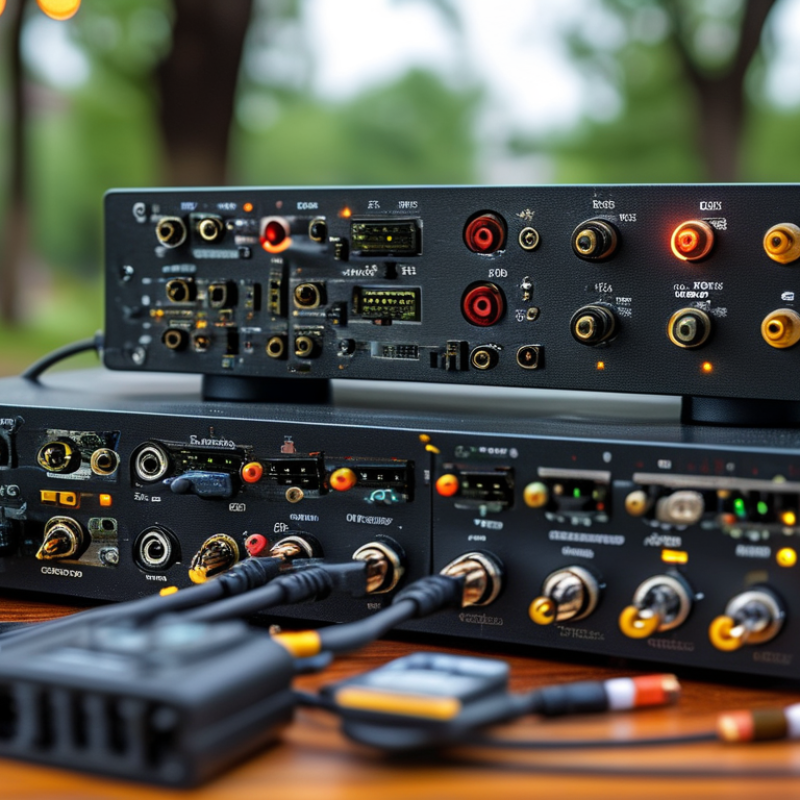
DMX signal is crucial for outdoor setups, especially in lighting and stage production. It allows for precise control over lighting fixtures and effects. However, outdoor environments pose unique challenges. Factors like distance, obstacles, and interference can disrupt the signal. Understanding these elements makes a difference in ensuring a smooth operation.
Interference often stems from natural obstructions like trees or buildings. These can block the line of sight, causing signal loss. Additionally, radio frequency interference from nearby devices can complicate matters. Users need to be aware of their surroundings. Testing the signal at different locations can provide insights. Sometimes, moving a fixture just a few feet can resolve issues.
Proper DMX setup requires attention to detail. Cables should be checked for integrity regularly. A tangled or damaged cable can lead to interruptions. Outdoor setups should also consider weather conditions. Rain or wind may introduce unpredictability. Keeping these factors in mind can enhance reliability. There’s always room for improvement and learning. Understanding the nuances of DMX in outdoor setups can elevate your production experience.
DMX signal interference in outdoor setups often stems from various environmental factors. One common cause is radio frequency interference. Nearby radio towers, walkie-talkies, and even Wi-Fi signals can disrupt DMX communication. When multiple devices operate in the same frequency range, the signals can collide, leading to glitches.
Physical obstructions also play a significant role. Trees, buildings, and other structures can block or degrade DMX signals. The distance between devices is critical. A longer distance can increase the chances of a weak signal. Moisture in the air or on the equipment can exacerbate these issues, leading to unexpected signal drops.
In outdoor events, poor grounding can become problematic. Unstable electrical connections may lead to voltage fluctuations, impacting signal quality. It’s vital to regularly check connections and the condition of the cabling. Outdoor setups can be unpredictable. Reflecting on how these factors impact performance is crucial for a reliable DMX experience.
This bar chart illustrates the common causes of DMX signal interference in outdoor environments. The data shows the percentage impact of each cause on overall performance.
DMX signal quality can be significantly affected by various environmental factors. For instance, interference from nearby electronic devices can disrupt signal transmission. A report from the Institute of Electrical and Electronics Engineers (IEEE) indicates that signals operating at 2.4 GHz, including DMX, experience greater interference. This results in unpredictable lighting performance, particularly in outdoor setups.
Atmospheric conditions also play a crucial role. Rain, fog, and humidity can attenuate DMX signals, leading to reduced effectiveness. According to a study by the National Oceanic and Atmospheric Administration (NOAA), such conditions can decrease signal range by up to 50%. The physical environment, including landscaping features like trees and buildings, can create additional obstructions, further complicating outdoor installations.
Reflecting on these factors, it's vital for professionals in the field to assess their setups carefully. The quality of installation, including cable types and lengths, cannot be overlooked. Neglecting minor details during setup can lead to significant performance issues. Employing shielding techniques or redesigning the layout may help mitigate these problems. Understanding the interplay of environmental elements is key to achieving optimal DMX signal reliability in outdoor applications.
DMX signal interference can disrupt outdoor setups significantly. Understanding why this interference occurs is essential. Environmental factors like physical obstructions play a crucial role.
Trees, buildings, and even weather conditions can weaken signals. This can lead to lag or erratic behavior in your lighting system.
To minimize interruptions, start by optimizing the placement of your DMX devices. Position them in areas with clear lines of sight. Adjusting your antenna orientation could also improve signal strength. Using shielded cables can help reduce interference from external sources.
If possible, limit the number of connections between fixtures. Too many devices on one line can dilute the signal quality.
Regular maintenance is vital too. Check all cables and connectors for wear and tear. Damaged components can introduce new interference. Always test your setup before events. Making small adjustments can lead to significant improvements.
Keeping your system updated can also help mitigate issues. This proactive approach fosters reliability in your outdoor lighting experiences.
Outdoor installations can often face challenges with DMX signal interference. This interference may stem from various environmental factors, including moisture and electromagnetic fields. A study by the National Association of Broadcasters indicates that nearly 40% of outdoor installations experience signal dropouts due to interference. Understanding the root causes and solutions is key for professionals in the field.
Weather conditions can impact signal quality significantly. For instance, rain or high humidity levels can lead to increased resistance in cables. This makes the electrical signals more susceptible to degradation. Additionally, nearby electronic devices might be emitting radio frequency interference. A report from the International Society of Automation shows that RF interference is responsible for about 25% of DMX signal issues. Identifying and relocating these devices can help mitigate problems.
For troubleshooting, always check your cable quality. Use properly shielded cables to reduce susceptibility to external interference. It can be easy to overlook cable connections, but ensuring they are secure is essential. Regular maintenance can help catch issues early. A proactive approach often proves more beneficial than reactive fixes. Assessing your outdoor layout can reveal hidden problems that contribute to DMX signal failure.
: DMX signal is essential for controlling lighting fixtures and effects in outdoor environments.
Interference can come from physical obstructions like trees and buildings, as well as nearby radio frequencies.
Longer distances between devices can weaken the DMX signal, increasing the risk of interruptions.
Damaged or tangled cables can disrupt DMX signals, affecting overall performance during events.
Rain, fog, and humidity can attenuate signals, potentially reducing their effectiveness and range.
Poor grounding can lead to voltage fluctuations, negatively impacting signal quality and performance.
Trees, buildings, and electronic devices can obstruct signals, leading to unpredictable lighting behavior.
Moving fixtures a few feet can resolve signal issues and enhance overall reliability in various environments.
Assessing the quality of installation, including cable types, is crucial for preventing performance issues.
Employing shielding techniques or redesigning the layout may help mitigate interference and enhance performance.
DMX signal interference in outdoor setups can significantly impact the performance of lighting and control systems. Understanding the nature of DMX signals is crucial, as they play a vital role in synchronizing lighting effects in various environments. Common causes of interference include environmental factors like weather conditions, physical obstructions, and electromagnetic interference. To combat these issues, implementing preventive measures such as proper shielding, strategic placement of cables, and ensuring good connections is essential.
When faced with DMX signal problems, knowing how to troubleshoot DMX signal interference in outdoor setups becomes invaluable. This involves systematically checking for any physical damage to cables, verifying signal paths, and assessing the surrounding environment for potential interferences. By adopting these troubleshooting techniques and preventive strategies, users can enhance the reliability of their outdoor DMX installations.

WoodLit Light