A premium 3D Christmas tree can look convincing for years, but its lifespan depends on more than its price tag. Dense molded PE branches, sturdy hinges, and careful storage all matter. So does how often the tree is assembled, moved, and decorated. A branch crushed behind a storage box may age faster than the rest.
What is the average lifespan of high-end 3D Christmas trees? There is no single, independently verified industry average. The American Christmas Tree Association’s consumer research tracks artificial-tree purchasing and household use, but does not establish a laboratory-tested lifespan. Manufacturer warranties offer another useful clue, yet they vary by brand and do not promise that every tree will look new for the full warranty period. Read the fine print.
In this guide, five practical tips will help you estimate how long a high-end 3D tree may last and spot early signs of wear. Check branch material and frame construction before buying. Then inspect the hinges, lights, and storage instructions each season. A realistic tree can still shed needles, fade, or develop loose sections. That part gets overlooked. Years of careful handling matter more than a glossy product photo, and even premium trees are not immortal. The honest answer may be less tidy than a single number.
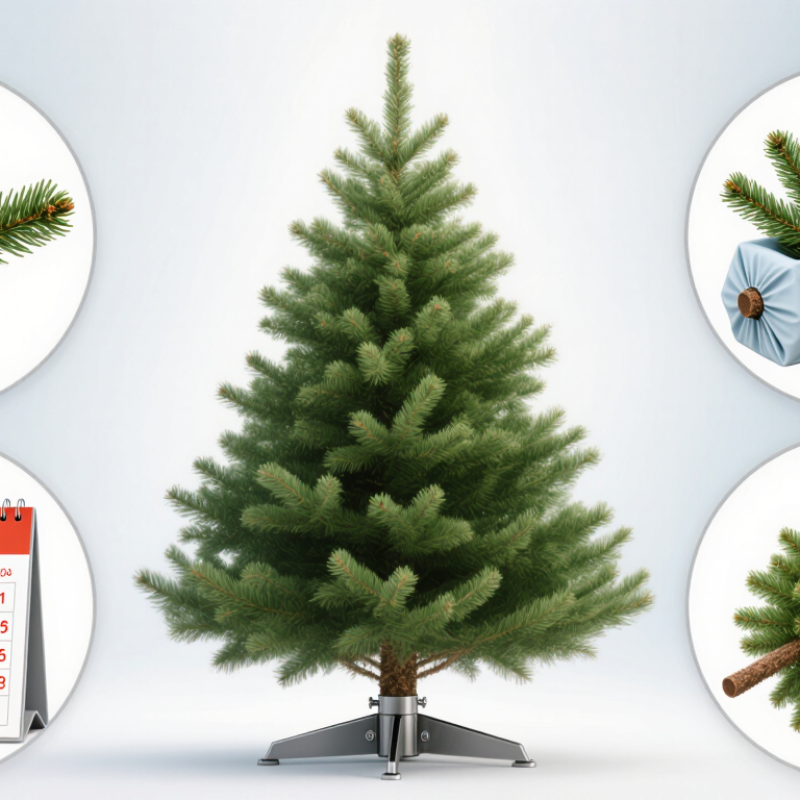
A high-end 3D Christmas tree is defined by more than a convincing photo or a high price. Its branch tips are molded to resemble real evergreen needles, with varied lengths, shades, and directions. This creates depth near the outer edges, while inner branches may use fuller, softer foliage to hide the frame. Look closely. A good tree should feel balanced from several angles, not just from the front.
Construction matters, too. Sturdy hinged branches, a stable center pole, and a solid stand help the tree hold its shape through repeated setup and storage. Check how securely the branches attach and whether they bend without feeling brittle. Materials labeled flame-retardant can offer an added safety feature, but follow the maker’s care instructions and keep the tree away from heat sources. That matters.
Realism is not perfection. Some molded tips may look slightly uniform under bright indoor lighting, and lower branches can reveal gaps once ornaments are added. It is worth checking the tree in person, if possible, and gently spreading a few branches before judging its fullness. Quality also depends on careful storage: compressing branches into a tight box can damage their shape over time. A well-made tree can last for many seasons, but no construction guarantees a specific lifespan.
High-end 3D Christmas trees typically last 10 to 15 years, and some remain attractive longer. That estimate assumes seasonal use, careful assembly, and dry, protected storage. Molded three-dimensional tips often keep their shape better than flat needles, but they still wear with handling. Repeated bending, direct sunlight, and rough packing can fade branches or loosen hinges. Small details matter.
After the holidays, collapse the branches gently instead of forcing them against the center pole. Store the tree in a sturdy bag or box, away from damp basements, hot attics, and sharp objects. Dust and moisture can dull the finish, while heavy items pressing on packed branches may leave permanent bends. A cool, dry closet is often a better choice.
Inspect the tree each year as you assemble it. Check the stand, pole joints, and branch connections for looseness, and replace damaged parts when possible. Pre-lit models may have lighting issues before the tree itself wears out, so their usable life can differ. Even a well-kept tree may develop a sparse spot or uneven branch; shaping it by hand can help, though it will not look factory-perfect.
A high-end 3D tree lasts longer when its branch tips, hinges, and center pole work as a system. Molded polyethylene tips hold their shape better than thin PVC film, while mixed PE-and-PVC branches can balance realism and cost. Check that branch hinges use sturdy metal and that the pole fits tightly into its sections. Wobble matters: repeated leaning can strain joints and loosen branches over time. A useful detail is the wiring. Bulbs should be replaceable, and cords should sit clear of hinge points.
Material alone does not promise a long life. Heat, sunlight, dust, and cramped storage can weaken plastics or flatten needles. Keep the tree indoors, away from sunny windows and heaters, and store it dry in a box large enough to avoid crushing the tips. Small habit, big difference. The American Christmas Tree Association’s 2018 life-cycle assessment, prepared by WAP Sustainability Consulting, found that an artificial tree needed roughly five years of reuse to compare favorably with buying a fresh tree each year. That is an environmental benchmark, not a product-lifespan guarantee. Inspect the pole, hinges, and light wiring each season; even careful owners miss a loose connection now and then.
Estimated service-life ranges for common tree constructions and care conditions (years).
Five ways to support a longer life: choose durable PE foliage, look for sturdy metal hinges and a stable frame, assemble and disassemble gently, store the tree dry in a protective container, and keep it away from direct sunlight and heat. These broad planning estimates are not standardized test results; actual lifespan varies with build quality, use, and storage.
How Can Care and Storage Extend a Tree’s Lifespan?
High-end 3D Christmas trees can look beautiful for many seasons, but their lifespan depends on materials, use, and care. Molded branches often hold their shape well, yet repeated bending can loosen hinges or strain branch tips. Assemble the tree gently, following its structure rather than forcing crowded limbs into place. A little patience helps.
Care tip: Keep the tree away from fireplaces, heaters, and sunny windows. Heat and strong light may fade finishes or make some materials brittle over time. Dust branches with a soft cloth or low-suction vacuum before packing them away. Check hinges and sections as you go. Small damage is easier to notice then.
Storage tip: Let the tree dry and cool completely before storing it. Place sections in a sturdy container or fitted bag, and keep them in a dry indoor space. Avoid stacking heavy boxes on top; crushed branches may not spring back. Even careful owners miss a dusty corner now and then. Inspect the tree before next season, and adjust your storage routine if you spot flattened tips or loose connections.
| Tip | What to Do | Why It Helps | Care Guide |
|---|---|---|---|
| 1. Keep it away from heat and direct sunlight | Set the tree indoors, away from sunny windows, fireplaces, radiators, and heating vents. | Excess heat and prolonged UV exposure can fade or weaken plastic foliage over time. | Choose a cool, dry location and follow the tree’s fire-safety instructions. |
| 2. Remove dust gently | Use a soft, dry cloth or a vacuum with a soft brush on a low setting. | Gentle cleaning helps keep branch tips looking fresh without stressing or scratching them. | Avoid abrasive brushes, strong cleaners, and soaking the tree. |
| 3. Assemble and shape branches carefully | Follow the assembly instructions, support branches while shaping, and avoid pulling sharply on the tips. | Careful handling reduces stress on branch hinges, connectors, and foliage attachments. | Take the tree apart gently after the season and keep small parts together. |
| 4. Store it dry and protected | Pack the tree in a sturdy storage bag or container and keep it in a dry indoor space. | Protection from moisture, dust, pests, and crushing helps prevent avoidable wear between seasons. | Avoid damp basements, hot attics, and placing heavy items on top of the stored tree. |
| 5. Check lights and connections before use | Inspect the wiring, plugs, and connectors each season; replace damaged light strings rather than using them. | Routine checks help identify electrical or mechanical problems before the tree is decorated. | Follow the manufacturer’s electrical and safety instructions for pre-lit trees. |
Typical lifespan: A well-made artificial tree used seasonally may last around 10–15 years or longer with careful handling and suitable storage. Actual lifespan varies with materials, construction, frequency of use, and care; replace a tree or light set if it becomes structurally or electrically unsafe.
A high-end 3D Christmas tree can last for many seasons, but careful storage and regular use affect its lifespan. Look closely at the branches, hinges, and trunk before decorating. Repeatedly sagging branches, cracked joints, or sections that will not lock securely may mean the frame is wearing out. A few bent tips alone are usually cosmetic. The distinction can be easy to miss.
Tip: Assemble the tree in good light. Check whether branches sit evenly and stay in place when lightly touched. Listen for new creaking at the joints, but remember that one sound does not prove damage.
Also inspect the needles and electrical components, if the tree includes lights. Widespread shedding, brittle pieces, exposed wiring, or flickering that continues after checking connections are stronger warning signs. Unplug the tree before examining its lights. If the frame feels unstable or damaged, stop using it rather than trying to hide the problem with ornaments. Dust and a flattened branch may be fixable; a loose central pole is different. I would not judge replacement by age alone. A tree used gently for years may remain sound, while poor storage can shorten its life much sooner.
Many last 10 to 15 years with seasonal use and careful storage. Some stay attractive longer, though this is only an estimate.
Molded polyethylene tips usually hold their shape better than thin PVC film. Mixed materials can balance a realistic look and cost.
Look for sturdy metal hinges, a firm-fitting pole, and replaceable bulbs. Loose joints can strain branches over time.
Dust branches with a soft cloth or low-suction vacuum. Let the tree dry completely. Don’t pack it damp.
Use a sturdy bag or box in a cool, dry indoor space. Avoid damp basements, hot attics, and sunny windows.
Yes. Heavy boxes or cramped storage can flatten or bend tips. Give branches enough room.
Check the stand, pole joints, branch hinges, and light wiring. Small damage is easier to spot before decorating.
Not always. Lighting can fail before the tree itself wears out, especially if cords are pinched at hinge points. I might miss one.
High-end 3D Christmas trees are distinguished by realistic molded branches, dense foliage, and sturdy construction designed to hold their shape through repeated seasonal use. What is the average lifespan of high-end 3D Christmas trees? It depends on factors such as material quality, branch attachment, frame strength, and how often the tree is assembled. With careful handling and proper storage, a well-made tree can remain attractive for many years.
To extend its lifespan, assemble and take down the tree gently, keep it away from excessive heat and moisture, and store it in a clean, dry place where branches will not be crushed. Check the tree before and after each season for brittle or discolored foliage, loose branches, damaged connections, or an unstable frame. Minor wear may be manageable, but widespread damage or persistent instability can signal that replacement is needed.

WoodLit Light