How to Fix a Dead Section of LED Rope Light

Time:2026-09-28 Author:Mason
0%

A dark stretch in an LED rope light can look like a failed strip, but the fault may sit at one connector, a damaged conductor, or a marked splice point. The U.S. Department of Energy’s Energy Saver guidance says LEDs use up to 90% less energy and can last up to 25 times longer than incandescent lighting. Long life helps. It does not make every rope light repairable, and product construction varies.

How to fix a dead section in an LED rope light starts with careful diagnosis, not an immediate cut. Unplug the light, inspect the plug and visible connections, and check whether the dark area begins at a clear segment boundary. Follow the manufacturer’s instructions before opening or trimming anything; some designs allow cuts only at marked points. A multimeter can help identify a break, but only if you know how to use it safely.

For professional context, Pacific Northwest National Laboratory lighting researcher Michael Royer has published work on LED reliability. I could not verify a verbatim statement from him specifically about repairing dead rope-light sections, so I will not invent a quotation. The practical takeaway is to test the supply and connections before replacing parts. Sometimes the fault is obvious. Sometimes it is not. A loose-looking connector may still conduct, while a tiny crack can interrupt an entire section. This guide keeps that uncertainty in view and focuses on checks that match the product’s design.
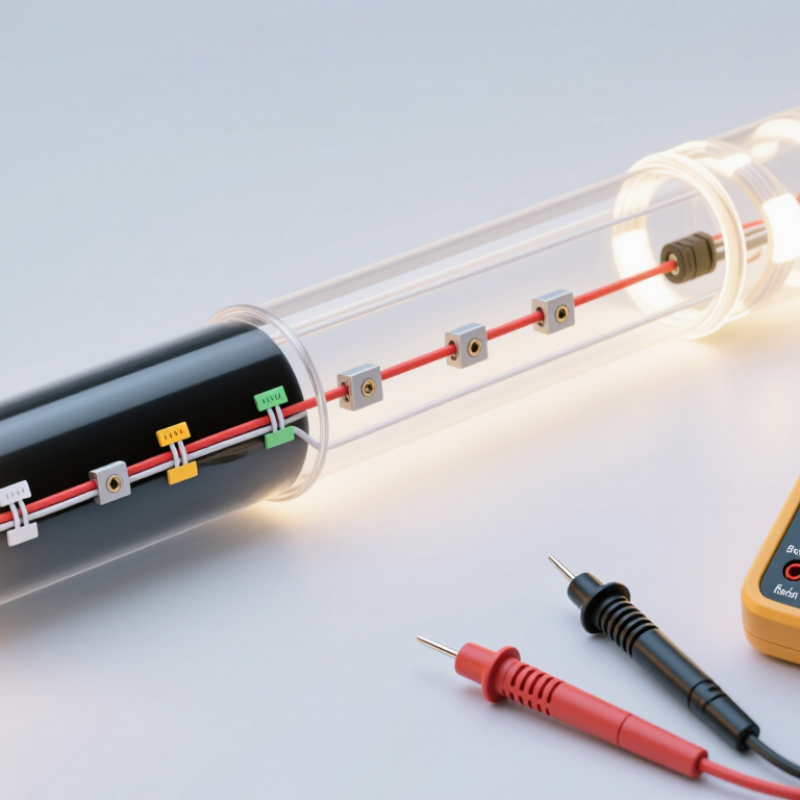
How to Fix a Dead Section of LED Rope Light

How LED Rope Lights Are Wired and Why Sections Fail

LED rope lights commonly use two long copper bus wires, with LED-and-resistor groups connected across them. Inside each group, components may be wired in series. If one group fails, a short stretch can go dark while other groups stay lit. A damaged bus wire, cracked solder joint, moisture, or heat-stressed connection can also interrupt power. The exact layout varies, so a dark section does not identify one cause by itself.

The U.S. Department of Energy’s 2011 report, LED Luminaire Lifetime: Recommendations for Testing and Reporting, discusses LM-80 testing, which collects LED-package performance data for at least 6,000 hours. That is a test period, not a lifespan guarantee for rope lights. The report also emphasizes system-level factors, including drivers and heat. In practice, a warm, pinched section deserves close inspection. The wiring is hidden, and the outside can look fine. I may be oversimplifying: some designs use different circuits.

Tips: Unplug the light before inspecting it. Check the marked cut points, connectors, and visible copper for corrosion or damage. Never cut or splice outside the manufacturer’s marked zones; you can break a circuit or expose live conductors. If the dark area persists, replace the damaged section rather than guessing at an internal repair.

Inspect the Rope Light and Locate the Dead Section

Unplug the rope light before examining it. Start with the plug. Check the outlet with another small appliance, then inspect any timer, adapter, or connector for looseness, discoloration, or a burnt smell. If the entire rope is dark, the problem may be upstream rather than inside the light. If only one stretch is off, note where the last working LEDs end and the dead ones begin.

Lay the rope on a dry, well-lit surface and follow it slowly. Look for cuts, flattened spots, sharp bends, cracked insulation, or water inside the tubing. Pay close attention to the transition between lit and unlit sections; a tiny nick can be easy to miss. Do not pull the rope tight or bend it sharply while checking. It is tempting to blame the LEDs too early. A loose connection or damaged section may look similar, and the exact cause is not always visible from the outside.

Mark the suspected boundaries with removable tape, keeping it away from damaged areas. If the light is intact and its instructions permit a powered test, reconnect it using dry hands and watch from a safe distance. Stop if you see flickering, sparks, unusual heat, or smell burning. Some rope lights are sealed and are not designed for internal repair; forcing them open can create a shock or fire risk. A careful inspection may narrow the fault, but it cannot reveal every failure.

Check the Power Supply, Connections, and LED Circuit

How to Fix a Dead Section of LED Rope Light
Check the Power Supply, Connections, and LED Circuit

A dark section does not always mean the LEDs have failed. Unplug the rope light before inspecting it. Check that the power supply matches the voltage and output listed on the light’s label. Look for a loose plug, bent pin, cracked housing, or frayed cable. If the supply feels unusually hot or smells burnt, stop using it and replace it with a compatible unit. Small clues matter.

Next, examine connectors near the dead section. Make sure each connector is fully seated and dry, with no greenish corrosion or dark burn marks. If the rope uses a controller, check its connections too. A quick reseat may help, but do not force parts that resist. It is easy to blame the LEDs too soon; I’d check every connection once more before deciding. If one section remains dark while the rest works, an internal LED circuit or damaged segment may be at fault. Sealed rope lights are not always safely repairable, so avoid cutting or opening them unless the design provides clear repair instructions.

Tips: Test the light from a known-good outlet, and keep it unplugged while handling connectors. Note exactly where the light stops working. That detail can help identify a failed segment. Don’t bypass damaged wiring.

How to Fix a Dead Section of LED Rope Light - Check the Power Supply, Connections, and LED Circuit
Symptom Likely Area to Check Safe Check Recommended Action
The entire rope light is off Outlet, plug, power supply, or controller Unplug the light, check for visible damage, and test the outlet with a separate working device. Confirm that any switch or controller is set correctly. Reconnect only if the plug and cable are undamaged. Replace a failed power supply only with one that matches the light’s specified output voltage, current capacity, polarity, and connector.
A section is dark, but the rest lights normally Loose connector, damaged conductor, or failed LED segment Unplug the light and inspect the dark section and nearby joints for looseness, crushed insulation, cuts, discoloration, or moisture. Reseat a removable connector only as directed by the product instructions. Replace the damaged section or light if the rope is sealed or the internal circuit is damaged.
The light flickers when the cable or connector moves Intermittent connection or broken conductor With power disconnected, inspect the plug, connector, and cable for strain, bent contacts, or a loose fit. Do not bend or handle the cable while it is energized. Secure or replace a user-serviceable connector according to its instructions. Do not use the light if the cable or insulation is damaged.
The first section works, but everything after a joint is off Joint, extension connection, or power-feed path Unplug the light and check that compatible connectors are fully seated and aligned with the marked polarity or direction, if applicable. Reconnect using the specified fittings. Do not force mismatched connectors or bypass a damaged joint.
A replacement section does not light Incorrect cut point, polarity, voltage, or connector type With power disconnected, compare the replacement part with the light’s specifications and inspect for cut marks and polarity indicators. Use only compatible parts. Cut only at manufacturer-marked cut points; cutting elsewhere can interrupt the circuit and may make the light unsafe or unrepairable.
The rope light trips a breaker or smells burnt Possible short circuit, water ingress, or overheating Disconnect power immediately if it is safe to do so. Look for heat damage or moisture without opening the rope or power supply. Do not reconnect or attempt an improvised repair. Replace the damaged light or have the installation assessed by a qualified electrician.
The light remains partly or fully off after visual checks Internal LED circuit or inaccessible power component Check the product instructions to determine whether the rope is low-voltage or mains-powered and whether it is designed to be serviced. Do not open sealed sections or probe an energized circuit. For non-serviceable rope lights, replace the unit; seek qualified help for mains-powered installations.
Safety note: Disconnect the power before inspecting or reconnecting any part. Follow the light’s instructions, keep indoor-rated products away from moisture, and stop using any light with damaged insulation, exposed conductors, overheating, or signs of water ingress.

Repair or Replace the Faulty Section Safely

Unplug the rope light before inspecting a dark section. Never while powered. Let it cool, then check for crushed tubing, exposed conductors, loose connectors, or water inside the casing. A failed section may come from a damaged wire, but some rope lights also have internal circuit breaks. The visible gap does not always reveal the cause.

Check the product’s instructions to see whether it is designed for section replacement. Only cut at marked points, and use connectors rated for that exact light type and voltage. Keep connections dry and fully insulated as directed. Do not twist wires together or cover a makeshift splice with ordinary tape. That matters. If the tubing is cracked, the wiring is exposed, or the light connects directly to household power, replacing the entire rope light is usually the safer choice.

After an approved repair, inspect the connection before restoring power. Keep it away from damp ground and flammable materials during testing. If the replacement section flickers, heats up, or stays dark, unplug it and stop. A tidy-looking repair can still be unreliable; I would not trust appearance alone. When instructions are missing or the correct connector is uncertain, replace the unit rather than guessing.

How to Fix a Dead Section of LED Rope Light

Typical time estimates for safe troubleshooting and replacement steps

Times are approximate and vary by product. Disconnect power before inspecting or handling the rope light. Replace a faulty section only if the product is designed for user replacement and the instructions specify how; do not splice sealed or mains-voltage rope lights.

Test the Rope Light and Prevent Future Failures

How to Fix a Dead Section of LED Rope Light

Unplug the rope light before inspecting it. Check the outlet with another device, then examine the plug, controller, and power adapter for looseness, cracks, or heat damage. A dimmer or timer can also make a working rope light seem faulty. If the adapter is replaceable, use only one with matching voltage, polarity, and current ratings. Never open a powered connector.

Look closely at the dark section. A sharp bend, crushed spot, or damaged joint may interrupt the circuit. Once the light is safely reconnected, test it on a known-working outlet and try the controls again. Some rope lights use linked segments, so one internal failure can darken a longer stretch. Do not cut into the tubing unless the product instructions mark a safe cutting point. A visual check may miss a break inside the casing.

Prevent repeat problems by routing the rope around broad curves, not tight corners. Use clips that hold it gently; staples can pierce the insulation. Keep connectors dry and off the ground, and avoid pulling the rope by its cable. Leave room for airflow near power components. Before storing it, coil the rope loosely rather than folding it into sharp loops. Test it after installation, then occasionally during use. It is easy to blame the LEDs too quickly; a loose connector can be the real culprit.

FAQS

Why can one section of an LED rope light go dark while the rest stays on?

LED groups may be wired separately across two long copper wires. One failed group can darken a short stretch. The exact cause varies.

What should I check when the entire rope light is dark?

Unplug it first. Test the outlet with another small appliance, then inspect the plug, adapter, timer, and connectors for looseness or damage.

How can I inspect a dark section safely?

Lay the unplugged rope on a dry, bright surface. Look for flattened spots, sharp bends, cracked insulation, or moisture inside the tubing. Go slowly.

What signs suggest a damaged connection?

Check for loose connectors, greenish corrosion, dark marks, or a burnt smell. A tiny nick near the last lit LED can be easy to miss.

Can I cut or open a rope light to repair it?

Only use clearly marked cut points and repair methods specified for that design. Many ropes are sealed. Forcing one open can create a shock or fire risk.

When should I stop using the light?

Stop if you notice sparks, flickering, unusual heat, or a burning smell. Unplug it if safe, and do not bypass damaged wiring.

Could the power supply cause a dark section?

It can cause lighting problems. Check that its voltage and output match the light’s label. Replace a hot or burnt-smelling supply with a compatible one.

Does LED testing time guarantee how long a rope light will last?

No. A test period measures LED-package performance under specific conditions; it is not a lifespan promise for the complete light. Heat and power components matter too.

Conclusion

LED rope lights contain groups of LEDs connected in repeating electrical sections, so a break in one section may leave the rest illuminated. To identify the problem, unplug the light and examine it for dark areas, cuts, cracks, moisture, loose connectors, or signs of overheating. Check that the outlet and power supply work properly, then inspect accessible connections without handling exposed wiring while the light is powered. These checks can help distinguish a faulty supply or connector from a damaged LED circuit.

How to fix a dead section in an LED rope light depends on its construction. If the manufacturer’s design allows a section or connector to be replaced, follow the product instructions and use compatible parts; otherwise, replace the affected length or the complete rope light rather than attempting an unsafe splice. After any permitted repair, reconnect the light and test it briefly. Keep it dry, avoid sharp bends and excessive heat, and inspect it periodically to reduce the chance of future failures.

Mason

Mason

Mason is a seasoned marketing professional with a deep expertise in the company's offerings and a passion for driving brand awareness. With a strong background in digital marketing strategies, he has an innate ability to connect with diverse audiences and effectively communicate product benefits.......