Hanging China top string lights can transform a street, courtyard, or event entrance, but decoration must never outrank safety. A loose cable may sag into vehicle paths, scrape against sharp edges, or expose connections to rain. The National Fire Protection Association’s Home Fires Involving Electrical Distribution and Lighting Equipment report recorded an average of 32,620 U.S. home fires annually from 2015 to 2019. These fires caused approximately 470 civilian deaths, 1,100 injuries, and 1.3 billion dollars in property damage. The figures show why outdoor lighting deserves planning, not improvisation.
For readers asking, “What is the best way to hang lights across a street safely,” the answer begins with permissions, professional assessment, and mechanical support. Never rely on the light string or its power cord as a suspension cable. Use rated messenger wire, weather-resistant fittings, protected connectors, and secure anchor points designed for the expected load. Keep sufficient clearance from traffic, pedestrians, trees, buildings, and overhead utility lines. A qualified electrician should verify grounding, circuit capacity, residual-current protection, and the product’s outdoor rating. UL 588, the Standard for Seasonal and Decorative Products, provides a useful reference for evaluating decorative lighting products.
Small details matter. Seal connections above standing water. Inspect insulation after strong wind. Replace damaged sections immediately. I have seen attractive installations fail because one anchor was overlooked. That mistake is easy to repeat. Local authorities, utilities, and licensed professionals may impose additional requirements, especially when cables cross public roads. Treat this introduction as a practical safety framework, not a substitute for site-specific engineering or approval. Safety should remain visible in every design choice.
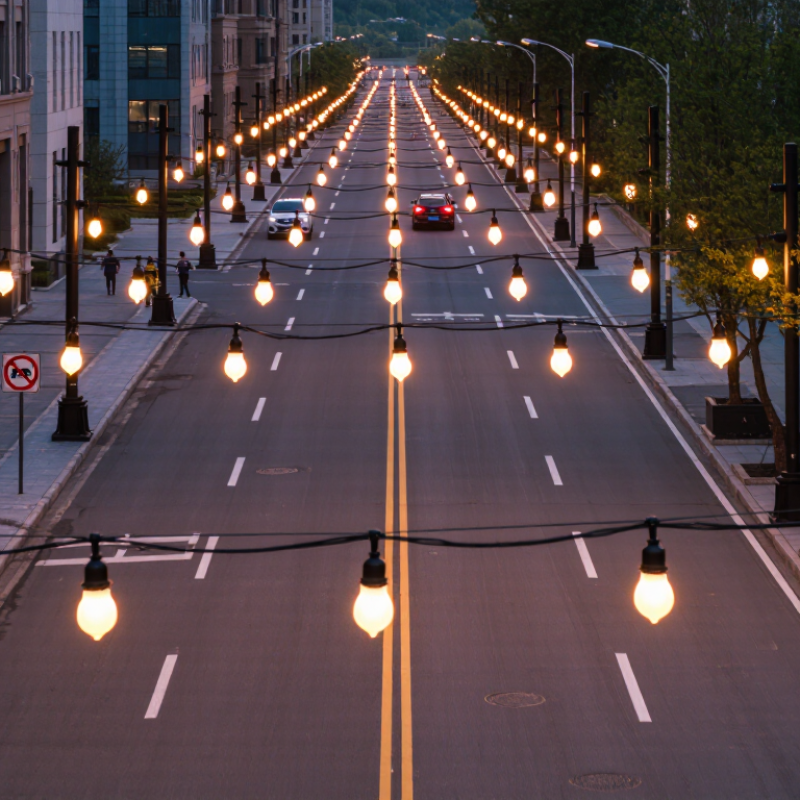
Choosing the right China top string lights begins with checking their intended use. Select outdoor-rated lights for patios, balconies, or garden structures. Confirm the voltage, cable length, bulb spacing, and maximum connected load. A recognized safety marking for your region adds useful reassurance. It does not replace careful inspection.
The mounting location matters just as much. Eaves, pergolas, and sturdy fence posts usually provide stable support. Keep lights away from hot surfaces, sharp edges, standing water, and areas where branches may rub the cable. I prefer measuring the route with a soft tape first. This prevents tight bends and unexpected sagging. Small hooks or clips designed for outdoor use are safer than nails or staples, which can damage insulation.
Leave a gentle curve between support points. Too much tension may pull connectors apart during wind or rain. Keep plugs and connection points above wet ground, while following the lighting instructions closely. A weather-resistant outdoor outlet with suitable protection is important. Before installation, check every socket, wire, and seal for cracks. Afterward, test the lights briefly in daylight.
I once underestimated wind exposure on an open balcony. The lights looked secure, but the cable shifted overnight. That mistake changed my approach. Recheck the mounting points after strong weather, and replace damaged parts rather than improvising repairs. Safety sometimes requires changing the original plan.
| Selection or Safety Dimension | Recommended Choice or Practice | Why It Matters | Practical Check |
|---|---|---|---|
| Intended environment | Use outdoor-rated string lights for patios, balconies, gardens, and other exposed areas. Use indoor-rated products only in dry indoor locations. | Outdoor products are designed to resist weather conditions that can damage indoor-only wiring and sockets. | Confirm the product’s stated environment rating and installation instructions before purchase. |
| Weather protection | For exposed installations, select a product with a clearly stated ingress-protection rating suitable for the location, and protect every plug connection from standing water. | Water can cause corrosion, insulation damage, electric shock, or short circuits. | Inspect sockets, plugs, seals, and cable insulation for cracks, looseness, or moisture before use. |
| Power supply | Use a grounded outdoor receptacle protected by a ground-fault circuit interrupter where required by local electrical rules. | Ground-fault protection helps reduce the risk of severe electric shock when electricity contacts moisture. | Test the protective device according to its instructions and keep the connection above areas where water collects. |
| Low-voltage versus line-voltage design | Choose low-voltage lights when reduced electrical exposure and easier routing are priorities; use only the supplied or specified transformer. | The transformer and cable must be matched to the light set’s voltage and total load. | Check voltage, wattage, connector type, and maximum permitted connected length on the product label. |
| Bulb technology | LED string lights are generally preferable for long operating periods because they consume less electricity and produce less heat than incandescent versions. | Lower power consumption can reduce circuit load and operating cost; lower heat can reduce heat-related risks. | Compare the stated total wattage rather than judging electrical load by bulb count alone. |
| Mounting location | Prefer solid, stable supports such as structural posts, beams, fences, or purpose-installed poles. Avoid unstable branches and damaged surfaces. | A secure support prevents the cable and sockets from falling, sagging excessively, or becoming a trip hazard. | Verify that the support can withstand the cable’s weight, wind movement, and the selected attachment hardware. |
| Clearance from hazards | Keep lights and cables away from overhead power lines, hot surfaces, open flames, sharp edges, moving equipment, and vehicle paths. | Contact with electricity, heat, abrasion, or moving objects can damage the installation or cause injury. | Map the route before installation and maintain all clearances required by local regulations and the product instructions. |
| Support cable | For longer outdoor spans, install a separate tension-support cable or approved mounting system rather than allowing the electrical cord to carry the full mechanical load. | Reducing strain on the electrical cord helps protect conductors, plugs, and socket connections. | Follow the light manufacturer’s maximum span and attachment instructions; do not stretch the light cord tightly. |
| Attachment hardware | Use clips, hooks, eyelets, or cable ties intended for the surface and outdoor conditions. Do not pierce or staple through the cable. | Improper fasteners can cut insulation, create water-entry points, or allow the lights to detach. | Attach the cable at regular intervals without crushing, sharply bending, or pinching it. |
| Spacing and sag | Use the spacing specified by the product design and allow a controlled, even sag instead of pulling the string tight. | Even spacing improves appearance and helps avoid excessive tension at the ends and connection points. | Keep the lowest point high enough to avoid head contact, snagging, and interference with people or equipment. |
| Connection management | Use only compatible connectors and stay within the manufacturer’s maximum number of connected sets or total wattage. | Overloading can overheat wiring, plugs, adapters, or the receptacle. | Calculate the combined wattage and compare it with the product and circuit limits before connecting multiple sets. |
| Installation height and access | Install lights where they are visible but not easily touched, and use a stable ladder or professional assistance for elevated work. | Safe access reduces fall risk and discourages people from pulling on the installation. | Disconnect power before adjusting, removing, or repairing the lights. |
| Inspection and maintenance | Inspect before installation and periodically during use, especially after storms, strong wind, freezing conditions, or seasonal storage. | Early detection of frayed insulation, loose sockets, corrosion, and damaged supports helps prevent failures. | Replace damaged light sets; do not repair exposed wiring with improvised tape or unapproved components. |
| Operating schedule | Turn lights off when unattended or when not needed; use a timer that is rated for the load and environment. | Reduced operating time lowers energy use and limits the duration of any electrical or weather-related fault. | Keep timers, adapters, and plug connections protected from rain and direct water exposure. |
Check the intended location, voltage, cable length, bulb spacing, and maximum connected load. Choose lights specifically rated for outdoor use. A recognized safety marking helps, but inspection still matters.
Eaves, pergolas, and sturdy fence posts usually provide reliable support. Avoid hot surfaces, sharp edges, standing water, and rubbing branches. Measure the route with a soft tape before installing.
Use outdoor-rated hooks, insulated clips, or suitable cable ties. Avoid nails and staples because they can damage insulation. Leave a gentle curve between support points.
Keep plugs and connection points above wet ground. Use weather-resistant covers and create a drip loop. The loop directs water away from the socket.
Check every socket, plug, cable, and seal for cracks or loose parts. Do not use lights with cuts, exposed conductors, or heat damage. Replace damaged parts.
Follow the stated voltage and connection limit. Connect only compatible sets with matching plugs. Never force different connectors together.
Use a stable ladder and keep both hands available. Ask another adult to steady the ladder. Never attach lights to power lines or fragile branches.
Yes. Inspect mounting points, cables, and connectors after strong wind or rain. I once underestimated balcony wind exposure. The cable shifted overnight, so the original plan was clearly too optimistic.
Turn them off before sleeping or leaving home. A timer can help, but it cannot fix poor installation. Test the lights briefly in daylight after installation.
The best way to hang China top string lights safely is to begin with careful planning. Choose weather-resistant lights that match the intended location, and select a mounting area away from heat sources, sharp edges, heavy traffic, and overhead hazards. Before installation, inspect the bulbs, sockets, cables, and plugs for damage, then prepare suitable tools and supports. The key question is: What is the best way to hang lights across a street safely? In general, avoid crossing public roads or access routes unless the installation is professionally assessed, properly permitted, and designed to prevent contact with vehicles, pedestrians, and utility lines.
Use secure hooks, clips, poles, or tension-support cables appropriate for the mounting surface, and never rely on the light cable to carry its own weight. Hang the lights with even spacing, keep connections protected from moisture, and avoid overloading outlets. Test the installation before regular use, checking for flickering, heat, loose supports, or exposed wiring. Inspect it regularly, especially after bad weather, and switch off the power before making adjustments or removing the lights.

 WoodLit Light