When considering decorative lighting, many people ask, "What is the difference between IC and Non-IC LED string lights?" Understanding these two types of lights is crucial for choosing the right option for your needs. Renowned lighting expert, Dr. Emily Sanders, highlights a key distinction: "IC LED string lights regulate themselves, while Non-IC lights rely on external fuses." This difference affects performance and safety.
IC LED string lights come with integrated circuits that maintain steady voltage. This means fewer lights fail due to overloads. Conversely, Non-IC lights lack this technology, making them more prone to issues when one bulb burns out. This can lead to significant inconvenience during festive occasions, where ambiance is key.
Moreover, the energy efficiency of IC string lights often surpasses that of Non-IC counterparts. However, it’s important to consider that IC lights can sometimes be more expensive upfront. Consumers should weigh the benefits against their budget and intend use. Understanding these nuances is essential for anyone looking to illuminate their space effectively and safely.
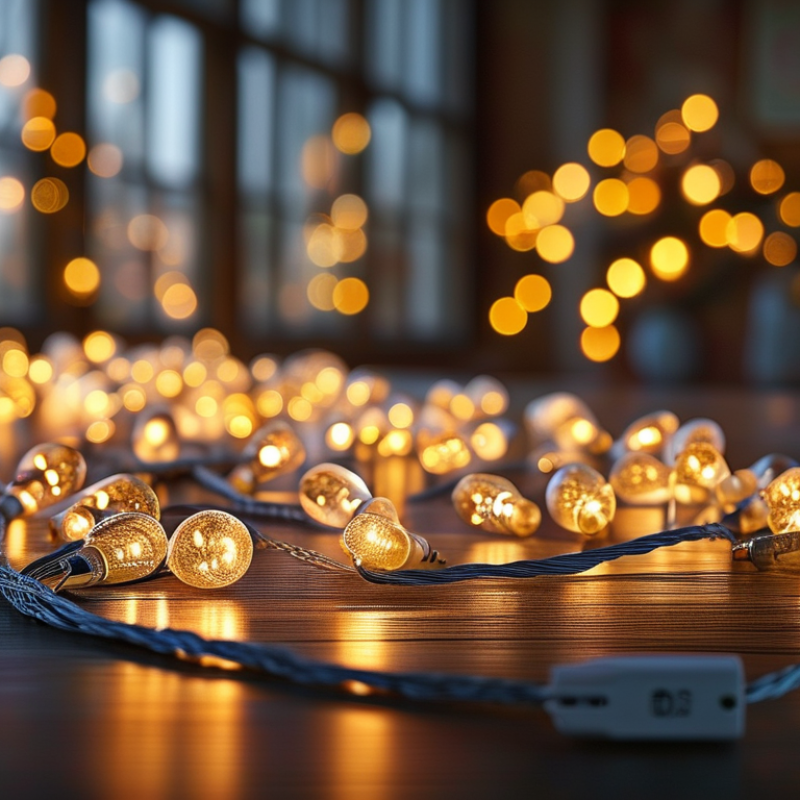
When comparing IC and non-IC LED string lights, the circuit design stands out.
IC LED string lights contain an integrated circuit that regulates power distribution. This design ensures consistent brightness and allows for more intricate lighting effects.
In contrast, non-IC lights use simpler circuitry, leading to variations in brightness across bulbs.
IC LED lights are more reliable, especially in larger setups. They handle voltage fluctuations better. This quality enhances their longevity, reducing maintenance overall. However,
non-IC lights are easier to repair due to their simpler design. If a bulb fails, it's often a quick fix.
Tip: When setting up your lighting, consider the environment.
IC lights might excel outdoors, while non-IC options are often suitable for indoor use.
Choose wisely based on your needs. IC string lights are great for festive displays. On the other hand, non-IC lights can be an economical choice for temporary setups.
Tip: Think about power consumption and heat generation.
IC designs usually manage this better, keeping your space safer.
The use of Integrated Circuit (IC) technology in LED string lights significantly enhances their control and efficiency. An IC helps manage the voltage and current in LED strings, preventing overload and ensuring uniform brightness. A study from the International Energy Agency found that IC-driven LED lights can consume up to 40% less energy than their non-IC counterparts. This efficiency is crucial in today's energy-conscious world, where lighting can account for about 15% of total household electricity consumption.
Moreover, ICs enable advanced features such as remote control and programmable settings. This level of sophistication allows users to customize lighting effects based on preference or occasion. Research suggests that 70% of consumers are interested in smart lighting options, indicating a strong market shift toward technology-enhanced solutions. With ICs, users experience reduced flickering and improved color rendering, but the initial cost of IC LED systems can be a hurdle for some consumers, presenting an area for further consideration.
However, not all aspects are perfect. The complexity of IC design can lead to issues such as reliability and repairability. If an IC fails, replacing a single LED may often mean replacing the entire string. As manufacturers innovate, they face challenges in balancing cost, complexity, and performance. Thus, while ICs provide remarkable benefits, there are still concerns that require ongoing attention and improvement in the LED lighting industry.
| Feature | IC LED String Lights | Non-IC LED String Lights |
|---|---|---|
| Control Mechanism | Integrated IC for smart control | Passive control without IC |
| Brightness Consistency | Improved brightness consistency | Variable brightness among bulbs |
| Power Consumption | Lower power consumption due to efficiency | Higher power consumption |
| Color Control Options | Advanced color control features | Limited or no color control |
| Installation Complexity | Usually simple with fewer connections | May require complex wiring and setup |
Power management plays a crucial role in the efficiency of LED string lights. Integrated Circuit (IC) systems typically outperform Non-IC systems in this area. They use advanced regulation to manage voltage and current, leading to reduced energy loss. This efficiency translates into longer lifespans for the lights and less frequent replacements.
Non-IC systems can be less predictable. They often depend on simpler circuitry, which may increase the risk of fluctuations in brightness. This inconsistency can lead to a harsh lighting experience. Others may view this as a charm. However, for those seeking reliability, IC systems often prove wiser. With more controlled output, they provide a steady glow.
While affordability may draw users to Non-IC systems, the long-term benefits of IC shouldn’t be overlooked. It’s essential to weigh immediate costs against future savings. Understanding these key differences helps consumers make informed choices. In scenarios where efficiency matters most, IC systems frequently emerge as the better alternative. However, some may prefer the simplicity and accessibility of Non-IC options.
When it comes to lighting, color and brightness adjustment are crucial features. LED string lights offer flexibility that can enhance any space. With various settings, users can create the perfect atmosphere for different occasions. Dim the lights for a cozy evening or brighten them for lively gatherings.
IC LED string lights typically provide greater control over color and brightness. These lights have built-in controllers that enable sophisticated adjustments. Users can change colors seamlessly, which can transform a mundane setting into a vibrant display. Non-IC lights may lack these features, making them less adaptable for dynamic environments.
Both types serve distinct purposes. IC lights are ideal for intricate designs and mood settings. Non-IC options may work well for straightforward uses but limit creativity. Exploring your specific lighting needs can guide you in the right direction. It’s important to reflect on the type of environment you wish to create. Choose wisely to maximize your light string's potential.
When considering LED string lights, one of the most important factors is cost. IC (integrated circuit) and non-IC lights differ significantly in price. IC lights tend to be more expensive. This is due to their advanced technology. They offer better voltage regulation and energy efficiency. Consequently, they may save on electricity costs.
Non-IC lights, on the other hand, are typically cheaper. However, they may not perform as well in terms of brightness and longevity. Users often find that non-IC lights can be less reliable. In some cases, they burn out faster and may flicker. Over time, this can lead to higher replacement costs.
Ultimately, buyers should weigh initial investment against long-term savings. Both types have their pros and cons. It is important to consider the context of your needs. For instance, are they for temporary use or a year-round display? The decision may hinge on what you value more: upfront costs or longevity and efficiency.
: IC lights have integrated circuits for steady brightness. Non-IC lights use simpler designs, causing varied brightness.
Yes, IC lights handle voltage changes well, enhancing longevity. Non-IC lights are easier to repair but less reliable.
IC lights excel outdoors, while non-IC lights are better for indoor use. Consider your setup when choosing.
IC lights are pricier due to advanced technology and better energy efficiency, which can lower electricity bills.
Yes, non-IC lights are cheaper upfront. However, they often burn out faster, leading to potential replacement costs.
IC designs manage power better and generate less heat. This feature enhances safety in lighting setups.
Consider both initial cost and long-term savings. Weigh performance issues against your intended use duration.
Yes, non-IC lights may flicker and have less brightness, making them less reliable over time than IC options.
Definitely. Non-IC lights are simple to fix when a bulb fails, but their reliability may not match IC lights.
It depends on your needs. If you want a temporary setup, lower costs matter. For long-term, consider efficiency.
When exploring the question, "What is the difference between IC and Non-IC LED string lights," it becomes apparent that the key differences lie in their circuit design, control mechanisms, power management, color and brightness adjustment, and cost implications. IC LED string lights utilize integrated circuits to enhance performance by allowing for more precise control over the lighting effects and features. This results in better efficiency and management of power, contrasted with non-IC systems that may lack such capabilities.
Furthermore, the flexibility in adjusting color and brightness potential is significantly greater in IC LED string lights, making them a popular choice for decorative and functional lighting needs. However, these advanced features typically come at a higher cost compared to non-IC lights, which may be more suitable for budget-conscious consumers. Overall, understanding these differences enables consumers to make informed decisions based on their specific lighting requirements.

WoodLit Light