How to Install Outdoor Decorative Lighting in Extreme Cold Weather?

Time:2026-07-30 Author:Isabella
0%

When considering how to install outdoor decorative lighting in extreme cold weather, one must prepare properly. Cold temperatures can affect both materials and installation processes. The right planning helps avoid mistakes that could lead to costly repairs later.

Choosing the appropriate lighting fixtures is crucial. Look for those rated for low temperatures. Materials should resist brittle fractures. Wiring and connectors must be weatherproof to withstand moisture and snow.

Installation requires special attention. Ground conditions may be frozen, complicating the process. Take care to dig shallow holes for posts, if needed. Adjusting your technique to suit the environment can make all the difference. Reflecting on past installations can provide valuable lessons.
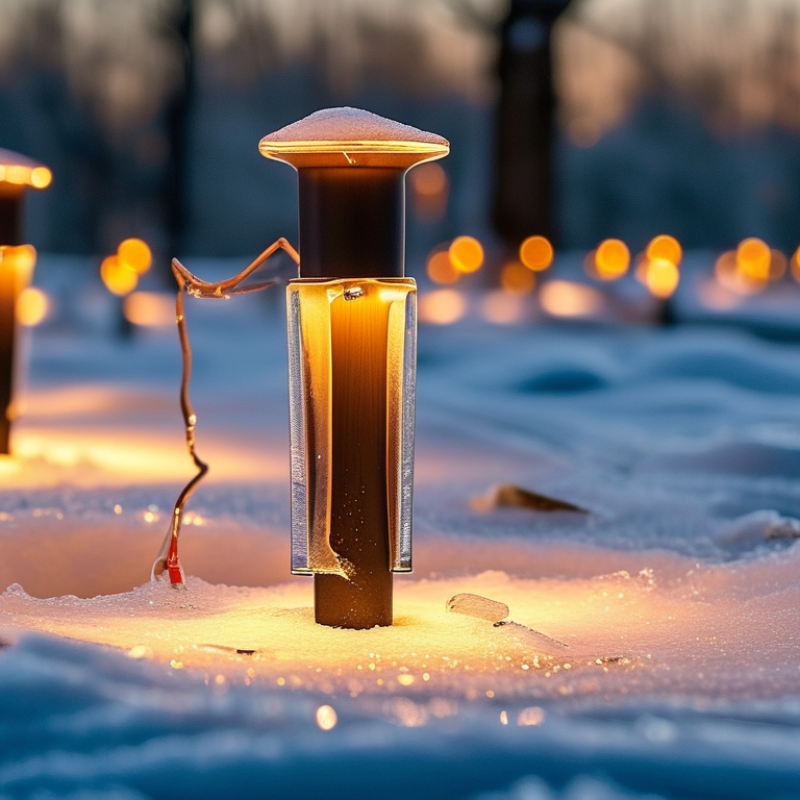
How to Install Outdoor Decorative Lighting in Extreme Cold Weather?

Choosing the Right Outdoor Decorative Lighting for Cold Weather

When selecting outdoor decorative lighting for cold weather, consider materials that endure harsh temperatures. Look for LED fixtures, as they are energy-efficient and can withstand freezing conditions. Additionally, choose lights that have a high IP rating. This rating indicates resistance to water and dust, which is essential for icy environments.

Be cautious with installation. Cold weather can make surfaces slippery and difficult to work on. Ensure that all wiring is properly insulated, as exposure to moisture can lead to shorts. Some fixtures may not perform well in extreme cold, so check for cold-weather ratings. Remember, not all lights are equal in performance. Test new installations to ensure they function properly before winter sets in. Your outdoor space deserves the right lighting, but safety should come first.

Preparing Your Property for Extreme Cold Conditions

Preparing your property for extreme cold conditions is essential when installing outdoor decorative lighting. Begin by assessing the area where you plan to place the lights. Clear away any debris or snow that could obstruct the installation process. This ensures that the fixtures sit properly and are secure. Snow and ice can create hazards, so make sure pathways are accessible and safe.

Next, check your electrical connections and make any necessary adjustments. Cold weather can affect wiring and power sources. It’s vital that connections are tight and insulated to prevent any malfunctions. You may also want to use weather-resistant materials, as they can withstand harsh temperatures better than standard options. Don’t hesitate to seek help from professionals if you’re unsure about electrical work. It’s better to be safe than sorry in these conditions.

Finally, consider the types of lights you use. Some may not perform well in extreme cold. Look for LED options designed for outdoor conditions. This can save energy and improve durability. Be mindful of placement too. If lights are near areas where snow accumulates, they might get buried. Reflect on these factors before starting your project to ensure a successful installation.

Step-by-Step Guide to Installing Lighting Fixtures

Installing outdoor decorative lighting in extreme cold can be challenging. Proper preparation is essential. Begin by gathering all necessary tools and materials. Ensure your fixtures are rated for low temperatures. Read product specifications carefully. Using non-conductive gloves can help prevent injuries when handling metal fixtures.

When positioning your lights, think about accessibility for maintenance. This is often overlooked. Use a shovel to clear away snow or ice in the area. If the ground is frozen, be patient. It might take time to dig holes or install stakes. Work slowly to avoid damaging the fixtures.

Always test your lighting before finalizing the installation. Check all connections for stability. You might find some fixtures flicker or do not illuminate. Adjusting bulbs may be necessary. Reflection on your installation process is key. Consider what could be improved next time. Adapting to cold weather conditions ensures longevity and effectiveness of your outdoor lighting.

Best Practices for Wiring and Connections in Freezing Temperatures

When installing outdoor decorative lighting in freezing temperatures, special considerations are crucial. Cold weather can impact wiring and connections significantly. According to the National Electrical Manufacturers Association (NEMA), extreme temperatures can cause insulation materials to become brittle, leading to potential electrical failures. It’s essential to select appropriate wiring rated for low temperatures, which typically includes insulation designed to withstand freezing conditions.

Using heat-shrink connectors can enhance the reliability of connections. These connectors are designed to create a waterproof seal. NEMA also reports that moisture accumulation can freeze and cause short circuits. Properly sealing all connections minimizes the risk of water ingress. Ensure the fixtures are installed at least a few inches above ground to prevent snow from accumulating directly on them.

It's important to work efficiently. Cold hands can hinder your dexterity, making electrical tasks more difficult. Consider warming up your tools and connectors inside before installation. Batteries in outdoor devices can drain quickly in cold; opt for lithium-based batteries for better performance in low temperatures. A recent report indicated that improperly installed connections are among the top causes of outdoor lighting failures. Review your steps carefully to avoid hasty mistakes during the installation process.

Outdoor Decorative Lighting Installation in Extreme Cold Weather

Maintenance Tips for Outdoor Lighting in Extreme Cold

When maintaining outdoor lighting in extreme cold, there are key steps to ensure functionality. Start by checking connections. Cold weather can cause wires to contract, leading to loose connections. This issue often goes unnoticed until lights fail. Regularly inspect all fixtures and wires for signs of wear. Look for cracks or fraying in the insulation.

Snow and ice can accumulate on fixtures, causing damage. Clear any buildup around lights promptly. Use a soft brush for delicate fixtures to avoid scratches. If you notice significant ice formation, gently thaw it with warm water. Avoid using harsh chemicals or excessive heat, as these can cause more harm than good.

Remember that daylight is limited in winter months. Timers can help manage when lights turn on and off. However, ensure they function properly in cold conditions. Battery-operated timers may also fail. Regular maintenance and checks will keep lighting bright. Stay proactive to avoid becoming overwhelmed when issues arise in the frigid months. Being prepared makes the process smoother, even if it isn't perfect.

How to Install Outdoor Decorative Lighting in Extreme Cold Weather? - Maintenance Tips for Outdoor Lighting in Extreme Cold

Aspect Details
Lighting Types LED, Solar, and Halogen
Installation Tips Use insulated connectors, avoid metal fixtures.
Maintenance Frequency At least twice a year: before winter and after spring.
Common Issues Frozen wires, bulb failures, and snow accumulation.
Protective Measures Use weatherproof fixtures and apply anti-corrosion sprays.
Energy Efficiency Opt for timers or smart controls to reduce usage.

FAQS

: What should I consider when installing outdoor lighting in freezing temperatures?

: Use wiring designed for low temperatures. Ensure insulation can withstand the cold.

How can I enhance the reliability of electrical connections?

Use heat-shrink connectors to create waterproof seals. This minimizes the risk of short circuits.

Why is proper sealing important for outdoor lighting?

Moisture can freeze and cause issues. Sealing connections prevents water ingress, reducing failures.

What can I do to make installation easier in cold weather?

Warm up your tools and connectors inside. Cold hands can hinder your ability to work effectively.

How can I maintain outdoor lighting in extreme cold?

Regularly check connections. Wires may contract, causing them to become loose and lead to failures.

What should I do if ice builds up on lighting fixtures?

Clear buildups gently with a soft brush. For significant ice, thaw it carefully with warm water.

How does daylight affect outdoor lighting in winter?

Days are shorter, so timers are helpful. Ensure they work in cold; battery-operated ones may fail.

What could go wrong with outdoor lighting installations during winter?

Improper installations often lead to failures. Review your work to avoid mistakes, even when rushed.

What materials should I avoid when dealing with ice on fixtures?

Avoid harsh chemicals or excessive heat. They can cause more damage to delicate parts.

Why is proactive maintenance important in cold weather?

Staying ahead of potential issues can prevent overwhelming situations. Being prepared makes everything smoother.

Conclusion

When considering how to install outdoor decorative lighting in extreme cold weather, it's essential to start by selecting appropriate fixtures designed to withstand low temperatures. Preparing your property involves assessing existing electrical systems and ensuring that all components can handle potential frost damage.

The installation process should follow a detailed step-by-step guide that prioritizes safety and effectiveness, particularly when dealing with wiring and connections. Best practices suggest using materials that remain flexible in freezing conditions and checking connections regularly to prevent failures. Additionally, routine maintenance is crucial to ensure that your outdoor lighting remains functional throughout the harsh winter months.

Isabella

Isabella

Isabella is a dedicated marketing professional with a sharp focus on driving brand growth and engagement through strategic content creation. With an extensive background in digital marketing, she combines her passion for storytelling with her keen understanding of industry trends to deliver......