How to Install Outdoor Decorative Lighting in Cold Weather?

Time:2026-05-01 Author:Isabella
0%

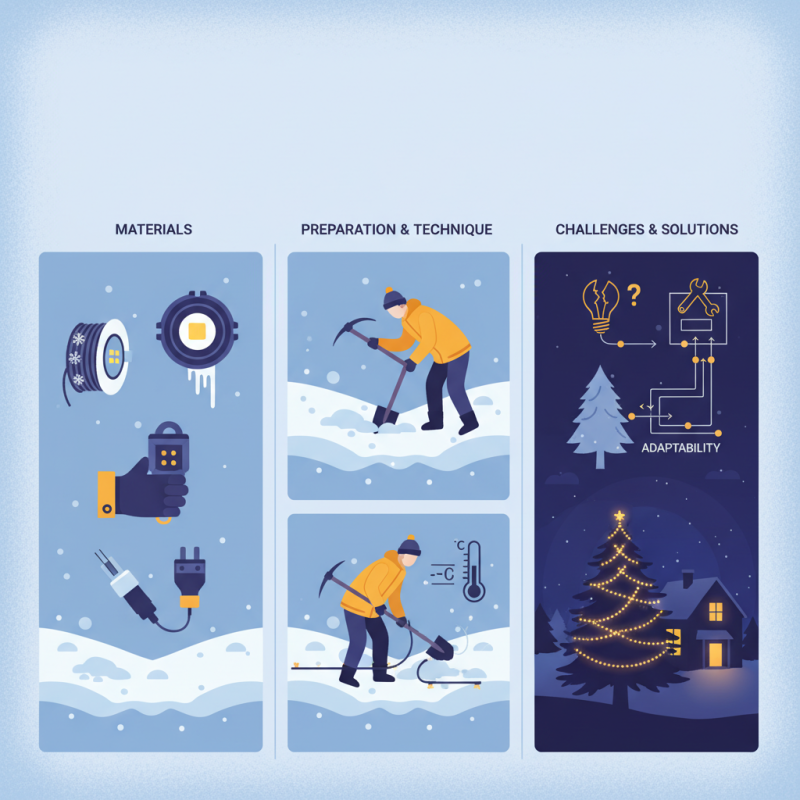
Installing outdoor decorative lighting in extreme cold weather presents unique challenges. The freezing temperatures can affect materials and performance. Proper preparation and techniques are essential for a successful installation.

When considering how to install outdoor decorative lighting in extreme cold weather, it's crucial to use weather-resistant materials. Flexible wiring and durable fixtures can withstand harsh conditions. Pay attention to the ground, as frost and snow can complicate installation efforts.

Experience plays a vital role in overcoming obstacles. Anticipate equipment malfunctions due to low temperatures. Being adaptable and planning for unexpected challenges will help ensure your lighting enhances the landscape. Enjoying a warm silhouette of lights against a snowy backdrop is worth the effort.
How to Install Outdoor Decorative Lighting in Cold Weather?

Understanding the Challenges of Installing Outdoor Lighting in Cold Weather

Installing outdoor decorative lighting in cold weather presents unique challenges. According to a report by the Lighting Research Center, temperatures below 32°F can affect the performance of outdoor lighting systems. Cold temperatures can cause materials like plastic to become brittle. This brittleness increases the risk of damage during installation or over time. Additionally, water can freeze in electrical connections, leading to circuit failures.

One common issue is the difficulty in digging holes for fixtures. The ground may be too hard to penetrate. Professionals often recommend waiting for milder conditions. However, sometimes, it is necessary to install regardless of the cold. In these cases, choosing flexible wiring options can help minimize the risk of breakage. Also, ensuring that fixtures are rated for cold weather use can prevent future malfunctions.

Maintaining safety is crucial during cold installations. Slip hazards increase dramatically in icy conditions. Using anti-slip mats can greatly enhance safety. Furthermore, it is essential to inspect all components before installation. Disconnects can freeze or become corroded, leading to potential hazards. Such issues highlight the importance of thorough planning and preparation. Each installation presents its own set of challenges, prompting reflection on best practices for future projects.

Choosing the Right Type of Lighting Fixtures for Cold Conditions

When selecting outdoor decorative lighting for cold weather, it’s crucial to consider the materials. Look for fixtures made from durable metals, such as stainless steel or aluminum, which resist corrosion. Avoid plastic fixtures, as they can become brittle and break in extreme temperatures. LED lights are a smart choice, too. They operate efficiently in low temperatures and consume less energy.

Design is another important factor. Choose fixtures that are designed for outdoor use and can withstand snow and ice. Look for lights with a weatherproof rating. This rating ensures they can handle harsh conditions without damage. Path lights should have ample weight to resist strong winds. Hanging lights can be tricky; ensure they are installed securely.

There might be gaps in your installation skills. Sometimes fixtures don't light up or might flicker. This can be an issue with connections or the power supply. Test everything beforehand to avoid cold nights without light. Regularly inspect your outdoor fixtures for signs of wear, and be prepared to replace bulbs frequently during winter months.

Preparing Your Outdoor Space for Winter Lighting Installation

Preparing your outdoor space for winter lighting installation requires careful planning. Start by assessing your existing outdoor setup. Look for damaged wiring or fixtures, as cold weather can worsen these issues. Ensure the area is clear of snow and debris. This makes installation smoother and safer for you.

Selecting the right lights is crucial. Choose fixtures designed to withstand harsh winter conditions. LED lights are a reliable option, as they use less energy. Remember to check that all components are rated for outdoor use. Waterproofing any connections helps avoid potential short circuits. Pay attention to where shadows are cast during the day, as this affects visibility at night.

Finally, consider the layout. Position lights to highlight architectural features or landscaping. A balanced design adds warmth to the winter atmosphere. Maintain flexibility; you might find your initial plan isn't perfect upon installation. Take a step back during the process to ensure the effects are as you imagined. Testing the lights before securing everything can save you time and frustration later on.

Outdoor Decorative Lighting Installation in Cold Weather

Safety Precautions for Working with Electrical Components in Cold Weather

Working with electrical components in cold weather presents unique challenges. Low temperatures can affect materials and tools. Frost might cause slippery surfaces, increasing the risk of falls. A report from the National Safety Council indicates that slips and falls can result in severe injuries, especially during winter months. Proper footwear is essential when working outdoors.

Before starting any installation, check local weather conditions. Wind chill can impact your ability to handle equipment safely. Fingers can become numb, making it hard to grip tools. Ensure to wear insulated gloves for warmth and dexterity. Always use extension cords rated for low temperatures to avoid insulation damage. According to the Electrical Safety Foundation International, using cords designed for outdoor conditions can lower the risk of shorts and fires.

Consider your surroundings while working. Inspect all wiring for signs of wear or damage. Cold weather can make materials brittle, increasing failure risk. If you notice anything unusual, stop and assess the situation. It’s wise to work with a partner for additional safety. Teamwork can provide assistance in a crisis, which is crucial in adverse conditions. Proper preparation is essential for successful outdoor lighting installation.

Maintenance Tips for Outdoor Decorative Lighting During Winter Months

Winter can be tough on outdoor decorative lighting. To ensure your lights continue shining through the cold, regular maintenance is essential. Before the snow falls, examine all fixtures for damage. Harsh weather can crack bulbs or loosen connections. Replace any broken components promptly to avoid bigger issues later.

Another crucial step is to check the wiring. Ice and snow can cause wear and tear, leading to potential hazards. Use weather-resistant covers for exposed connections. This small effort can prevent water from freezing and damaging your fixtures. Be mindful of the ground, too; uneven surfaces can lead to tripping hazards as the ground shifts in freeze-thaw cycles.

After snowfalls, gently clear any accumulation from the lights. Avoid using metal tools that can scratch or damage fixtures. Remember to take regular walks around your property, looking for flickering lights or signs of wear. Reflection and proactive checks will keep your outdoor décor vibrant all winter long.

FAQS

: How do I prepare my outdoor space for winter lighting installation?

: Start by assessing existing setups for damaged fixtures and clear away snow and debris.

What type of lights should I choose for winter?

Select fixtures designed for harsh conditions, like LED lights that are energy-efficient and rated for outdoor use.

How can I ensure safety while working in cold weather?

Wear proper footwear and insulated gloves. Check local weather and use extension cords rated for low temperatures.

What should I check before installing outdoor lights?

Inspect wiring for wear or damage. Cold weather can make materials brittle, increasing the risk of failure.

How can I maintain outdoor lighting during winter?

Regularly inspect fixtures for damage and replace broken parts to prevent bigger issues later.

What should I do after snowfalls on the lights?

Gently remove snow accumulation and avoid using metal tools that may scratch the fixtures.

Why is layout important when installing lights?

A balanced design highlights features and adds warmth. Flexibility during installation may lead to a better outcome.

What is a common risk while working outdoors in winter?

Slips and falls due to icy surfaces can cause serious injuries. Always be cautious and consider working with a partner.

How can I ensure wiring is protected in winter?

Use weather-resistant covers for exposed connections to prevent ice and water damage.

How often should I check my outdoor lighting?

Regular walks around your property can help identify flickering lights or signs of wear before they become major problems.

Conclusion

Installing outdoor decorative lighting in extreme cold weather presents unique challenges that require careful consideration. Understanding these challenges is essential for a successful installation, as cold conditions can affect both the lighting fixtures and the installation process. Choosing the right type of lighting fixtures designed for harsh weather is crucial. Proper preparation of the outdoor space, including clearing snow and ice, can help ensure a smooth installation.

When learning how to install outdoor decorative lighting in extreme cold weather, it's important to prioritize safety. Taking necessary precautions when working with electrical components is vital to prevent accidents. Additionally, maintenance tips for winter months can help ensure that your outdoor lighting remains functional and aesthetically pleasing despite the harsh conditions. By following these guidelines, you can effectively brighten your outdoor spaces throughout the winter season.

Isabella

Isabella

Isabella is a dedicated marketing professional with a sharp focus on driving brand growth and engagement through strategic content creation. With an extensive background in digital marketing, she combines her passion for storytelling with her keen understanding of industry trends to deliver......