When it comes to LED string lights, many homeowners face a common dilemma: "Why are my LED string lights flickering after installation?" This issue can be frustrating and even puzzling, especially after investing time and effort into your lighting project. Flickering lights can diminish the ambiance and make your space feel less inviting.
Several factors can contribute to this irritating problem. Poor connections, incompatible dimmers, or fluctuations in voltage can all play a role. It's crucial to assess how the lights were installed. Were they tightly fitted? Were the connections checked before finalizing everything? One small oversight can lead to larger issues down the line.
Understanding these challenges is essential for resolving flickering problems. It’s not just about aesthetics; it's about safety and functionality, too. In the following sections, we will explore the top reasons behind this common irritation. With practical insights, you can transform your flickering lights into a steady glow that enhances your space beautifully.
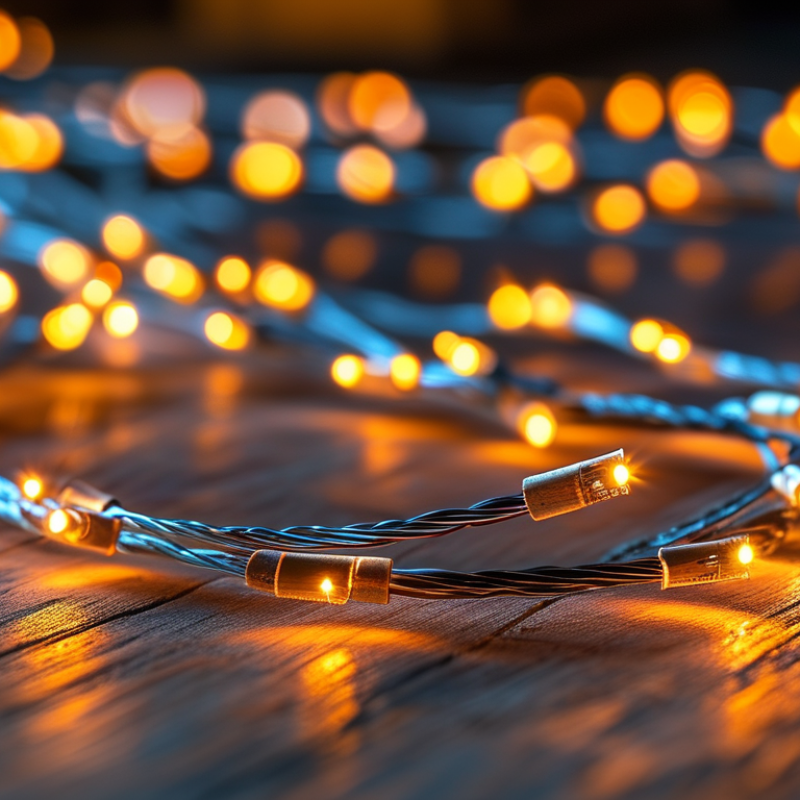
LED string lights have become a popular choice for festive decorations and outdoor ambiance. Understanding how they function helps in troubleshooting issues like flickering. LED string lights work through a simple electrical circuit, converting electrical energy into light. However, improper installation can hinder their performance.
One study by the Department of Energy indicates that over 90% of household electricity savings can be achieved through LED technology. Yet, despite their efficiency, flickering often occurs. It can stem from loose connections, incompatible dimmers, or fluctuations in voltage. For instance, if the voltage supply isn't stable, it creates a risk of inconsistent lighting.
Additionally, examining the wire gauge can reveal potential mishaps. A thinner wire restricts current flow, leading to flickering. Many users overlook these physical factors. It's essential to recognize that environmental influences, like humidity and temperature, can also impact LED performance. Without proper attention, users may find themselves with malfunctioning lights, undermining their intended joy.
LED string lights are a popular choice for decoration, but flickering can be frustrating. Understanding the common causes behind this issue is essential for achieving a pleasing display. One primary cause is poor connections. Ensure all connectors are securely plugged in. Loose connections can lead to flickering whenever a slight movement occurs.
Another reason for flickering could be voltage fluctuations. If your LED lights are connected to other appliances that draw power, this can disrupt the flow. Consider using a dedicated circuit for your string lights. This simple step may eliminate flickering caused by inconsistent power supply.
Tips: If flickering persists, check for damaged bulbs. Replace any burnt-out bulbs to maintain consistent lighting. Also, ensure that your lights are not exposed to extreme weather conditions, as moisture can lead to electrical issues. Maintaining these elements can prevent future problems, ensuring your LED string lights shine brightly. Sometimes, even minor adjustments can make a significant difference.
Voltage fluctuations significantly impact LED performance. When the voltage supplied to LED string lights varies, it can lead to flickering. This occurs because LEDs require a stable voltage to operate correctly. If the voltage is too low, the lights may dim or strobe unpredictably. In contrast, exceeding the optimal voltage can cause rapid flickering or even damage the LEDs.
Even minor fluctuations can cause noticeable flickering. For instance, electrical appliances starting or turning off can create brief bursts of voltage change. This is especially common in older homes or areas with unstable electrical infrastructure. Homeowners may overlook these details, assuming their lights are faulty. However, understanding the relationship between voltage and LED performance is crucial.
Other potential causes for flickering include poor connections and incompatible dimmers. If the wiring is faulty or connections are loose, it can contribute to irregular voltage delivery. It might be beneficial to explore these aspects. Identifying these issues may require a closer inspection. Ensuring all components are compatible and secure can prevent annoying flickering. Ultimately, users should reflect on their electrical setup to maintain consistent light performance.
Flickering LED string lights can be frustrating after installation. This issue often arises from poor connections. Check all connections between the lights and the power source. A loose plug or bad socket can cause interruptions. Ensure the connectors are firmly attached and clean. Dust or debris on connections can disrupt the flow of electricity. A simple wipe with a dry cloth can make a big difference.
Another common reason for flickering is voltage fluctuations. If the power supply isn’t stable, your lights may flicker inconsistently. Using a power stabilizer could help to smooth out these fluctuations. Additionally, avoid overloading circuits. Too many lights on one outlet can lead to inconsistent performance. Observe how other devices behave when your lights flicker; they may give hints toward a larger electrical issue.
Lastly, consider the age of your LED lights. Older units may become less reliable, leading to flickering. Inspect the entire string for damaged bulbs. A single faulty bulb can affect the entire string. Sometimes, replacing a few bulbs solves the problem. Remember, troubleshooting is an essential step in maintaining your LED lights. It can save you from frustration down the line.
LED string lights are a popular choice for home décor. However, flickering can ruin the ambiance. If the flickering continues after initial troubleshooting, it’s time to consider professional help. Persistent problems often indicate deeper electrical issues that require expertise.
An electrician can diagnose problems with wiring or circuit overloads. They can also identify if there are compatibility issues with the installed lights. In some cases, poor quality connectors or incorrect voltage may lead to ongoing flickering. Don’t hesitate to seek advice if you notice unusual patterns, like intermittent flickering throughout the day.
Ignoring flickering lights can lead to further complications. Safety is paramount, and faulty lights can pose hazards. Contact a qualified professional to assess your situation. Their expertise ensures that the solution is safe and long-lasting. Addressing these issues promptly can prevent potential electrical fires or damage to your home.
| Reason | Description | Solution |
|---|---|---|
| Loose Connections | Wiring may be loosely connected causing flickering. | Check and tighten all connections. |
| Voltage Fluctuations | Inconsistent power supply could lead to flickering. | Use stabilizers to ensure a consistent voltage supply. |
| Faulty LEDs | One or more LED bulbs may be burnt out. | Replace defective bulbs. |
| Dimmer Incompatibility | Some LED lights are not compatible with dimmer switches. | Use compatible dimmers or bypass them. |
| Incorrect Voltage Rating | Using bulbs with a different voltage rating. | Ensure all bulbs match the voltage requirements. |
| Environmental Factors | Humidity or moisture can cause flickering. | Keep lights dry and protected from extreme conditions. |
| Overloading Circuits | Too many lights on one circuit can cause issues. | Distribute lights across multiple circuits. |
| Wiring Issues | Damaged or frayed wiring can lead to flickering. | Inspect wiring for damage and repair as needed. |
| Incompatible Components | Using mismatched components can cause flickering. | Ensure all components are compatible. |
| Seek Professional Help | Persistent flickering may require expert assessment. | Contact a qualified electrician for assistance. |
: Flickering often results from voltage fluctuations, poor connections, or incompatible dimmers in the electrical setup.
Voltage fluctuations can lead to inconsistent brightness, flickering, or even damage if the voltage is too high or low.
Start by inspecting all connections. Loose plugs or bad sockets can interrupt the electricity flow to your lights.
Yes, dust on connections can disrupt electricity. Cleaning them with a dry cloth can resolve flickering problems.
If flickering persists despite troubleshooting, it’s wise to consult an electrician for deeper electrical issues.
Yes, older LED units can become unreliable, and a single damaged bulb might cause flickering in the entire string.
Avoid plugging too many lights into one outlet. Monitor the behavior of other devices connected to the same circuit.
Unusual patterns of flickering throughout the day could suggest wiring problems or compatibility issues with the lights.
No, ignoring flickering can cause hazards like electrical fires. Promptly address the issue to ensure safety.
Yes, a power stabilizer can smooth out voltage fluctuations, potentially reducing flickering in LED lights.
LED string lights are a popular choice for decorative lighting, but many users experience flickering after installation. Understanding the functionality of LED string lights is crucial to identify the reasons behind this behavior. Common causes include poor connections, incompatible dimmers, and voltage fluctuations, all of which can significantly impact LED performance.
If you're wondering, "Why are my LED string lights flickering after installation?" it's essential to troubleshoot these issues. Start by checking all connections and ensuring compatibility with your dimmers. Voltage fluctuations can also cause instability in light output. For persistent flickering problems that you cannot resolve on your own, it may be best to seek professional assistance to ensure safety and proper functionality.

WoodLit Light