How to Transition from Traditional Bulbs to LED Lighting Solutions?

Time:2026-06-13 Author:Ethan
0%

Transitioning from traditional bulbs to LED lighting solutions is a significant decision for many individuals and businesses. According to lighting expert Dr. Sarah Thompson, "Adopting LED technology can lead to remarkable energy savings and improved lighting quality." This shift reflects a broader trend towards energy efficiency and sustainability in our daily lives.

In exploring how to transition from traditional bulbs to LED motifs, it's essential to understand the benefits and challenges involved. LEDs consume less power and have a longer lifespan than conventional bulbs. However, many still hold reservations about the perceived cost and the different light quality. Making this switch requires careful consideration of various factors, including the type of fixtures used and the optimal brightness levels needed for different spaces.

As you embark on this transition, remember to evaluate your options thoroughly. The initial investment may seem daunting, yet the long-term savings often justify it. A well-planned approach will ensure that your experience with LED lighting is both rewarding and efficient. Recognizing the need for change is crucial, but executing it effectively requires thoughtfulness and a willingness to adapt.
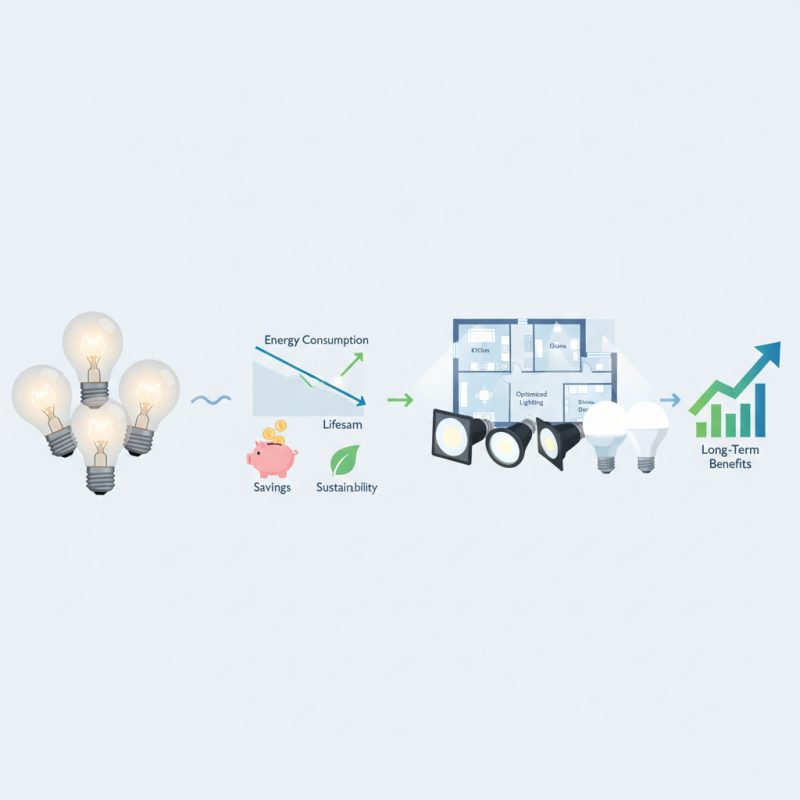
How to Transition from Traditional Bulbs to LED Lighting Solutions?

Understanding the Benefits of LED Lighting over Traditional Bulbs

LED lighting offers multiple advantages over traditional bulbs. Studies indicate that LEDs use up to 75% less energy than incandescent bulbs. This significant reduction translates to lower electricity bills for households and businesses alike. Moreover, according to the U.S. Department of Energy, residential lighting accounts for about 10% of total energy use. By switching to LED bulbs, homeowners can see substantial energy savings.

Another important benefit is longevity. LEDs can last up to 25,000 hours, compared to the 1,000 hours of a typical incandescent bulb. This extended lifespan means fewer replacements and decreased waste in landfills. Transitioning to LEDs contributes to a more sustainable environment. Additionally, the heat emitted by LEDs is significantly lower. Traditional bulbs waste about 90% of their energy as heat, while LEDs convert most energy into light.

While the initial investment for LED bulbs may seem higher, the long-term savings are evident. Reports suggest that homeowners can save an average of $225 per year by making the switch. However, consumers should be aware that not all LED products are of equal quality. It’s essential to look for reliable options that meet safety standards to ensure optimal performance and safety.

Assessing Your Current Lighting Setup for Transition to LEDs

Assessing your current lighting setup is crucial for a successful switch to LED lighting solutions. Start by evaluating the types and quantities of bulbs in your space. Take note of their wattages and brightness levels. Documenting this information allows for better comparisons with potential LED options.

Consider the fixture types you have. Some fixtures may require specific LED replacements. Not all bulbs are compatible with existing fixtures. This can lead to frustration if not addressed early. It's also wise to note the color temperatures of your current bulbs. LED options vary widely in color, and finding the right match is essential for maintaining ambiance.

Lastly, think about how often you use each light. Some fixtures may not warrant a switch to LED if they see limited use. Assessing these details ensures you make informed decisions. Moving to LED isn't just a simple swap; it's about enhancing efficiency and comfort.

Choosing the Right LED Bulbs for Different Applications

When transitioning to LED lighting, selecting the right bulbs is crucial. Consider the application where you will use the bulbs. For example, task lighting in kitchens requires bright, clear light. A high lumen output helps illuminate work surfaces efficiently. In contrast, soft lighting is ideal for bedrooms. It creates a cozy atmosphere, promoting relaxation.

Color temperature is another factor. Warmer light (around 2700K) suits living rooms and bedrooms. Cooler light (above 4000K) is better for offices and workshops. The choice can significantly affect mood and productivity. Dimmer compatible LEDs increase versatility, allowing you to adjust light intensity as needed.

Reflect on the wattage equivalent of traditional bulbs. Many make the mistake of focusing solely on lumens. While brightness is essential, energy efficiency also matters. A lower wattage LED can provide the same brightness as a higher wattage traditional bulb. This choice leads to reduced energy bills and a smaller carbon footprint. Assess your needs carefully. Transitioning to LED offers cost savings, but the right choices matter.

Step-by-Step Guide to Replacing Traditional Bulbs with LEDs

Transitioning from traditional bulbs to LED lighting can be seamless, yet it does require some steps and considerations. LED technology has rapidly evolved, with a report from the U.S. Department of Energy noting that LEDs use up to 75% less energy than incandescent bulbs. When replacing old bulbs, start by assessing your current fixtures. Determine the wattage and type of bulb needed. LEDs come in various sizes and shapes, often fitting standard fixtures without issues.

Next, consider the color temperature. Traditional bulbs typically emit a warm yellow light, while LEDs offer a range of options from soft white to daylight. A study from Energy Star suggests that consumers prefer 2700K to 3000K for living spaces, as it resembles incandescent light. It's important to experiment with different temperatures to see which light feels right in your home. Pay attention to how the lighting affects mood and atmosphere.

While LEDs have a longer lifespan, they are not without drawbacks. Initial costs can be higher, causing hesitation for some consumers. It’s also important to check dimmer compatibility, as not all LEDs work well with existing dimmer switches. Failure to do so can lead to flickering or buzzing noises. This learning curve requires patience and could push many to seek expert advice. Remember to stay informed about the latest advancements in LED technology to maximize the benefits of your lighting transition.

Tips for Optimizing Energy Efficiency with LED Lighting Solutions

Transitioning to LED lighting offers substantial energy savings. According to the U.S. Department of Energy, LED bulbs use up to 75% less energy than traditional incandescent bulbs. This significant reduction can result in annual savings of approximately $100 per household. For businesses, these savings similarly contribute to lower operational costs over time.

To optimize energy efficiency, consider dimmable LED options. These can reduce energy use further when lights are dimmed. Additionally, using sensors can enhance efficiency by automatically adjusting lighting based on occupancy. In fact, studies show that integrating motion sensors can cut down energy usage by 30% in commercial spaces.

It’s crucial to take lighting design into account. Poor placement can lead to wasted energy. Conducting a lighting audit can reveal where energy efficiencies are being missed. Employing a layered lighting approach can help in better utilization of light. Focus on task lighting and ambient light to meet specific needs without excess. Embracing these strategies fosters a more sustainable and cost-effective lighting environment.

Transition from Traditional Bulbs to LED Lighting Solutions

FAQS

: How do I choose the right LED bulbs for my space?

: Assess the application first. Bright light suits kitchens, while soft light is better for bedrooms.

What is the importance of color temperature in lighting?

Warmer light around 2700K is cozy for living spaces. Cooler light above 4000K enhances productivity in workspaces.

Should I focus only on lumens when selecting bulbs?

Many overlook wattage equivalents. It’s vital to balance brightness with energy efficiency to save on bills.

How much energy can LED bulbs save?

LED bulbs can use up to 75% less energy than traditional bulbs, leading to $100 savings annually for households.

What are some tips for optimizing energy efficiency with LEDs?

Use dimmable options and sensors to reduce energy use. Proper lighting placement also minimizes waste.

How can a lighting audit help me?

Audits reveal wasted energy areas. You can adjust your setup for better efficiency and cost savings.

Why might switching to LED lighting have drawbacks?

Transitioning can involve upfront costs. It's essential to evaluate long-term savings against initial expenses.

What is a layered lighting approach?

It combines task and ambient light, meeting needs without excess. This method can enhance both efficiency and comfort.

How can motion sensors improve lighting efficiency?

Sensors adjust light based on occupancy, potentially cutting energy use by 30% in commercial environments.

What should I reflect on before transitioning to LED?

Assess your lighting needs, wattage equivalents, and how proper choices lower your carbon footprint.

Conclusion

Transitioning from traditional bulbs to LED lighting solutions offers numerous advantages, including energy efficiency, longer lifespan, and reduced environmental impact. To effectively make this switch, it’s crucial to assess your current lighting setup to determine where LEDs can best replace traditional bulbs. By understanding the specific needs of different applications, you can choose the right LED bulbs that meet your requirements.

The process of replacing traditional bulbs with LEDs involves a straightforward, step-by-step guide that simplifies the transition. Additionally, optimizing energy efficiency with LED lighting solutions can enhance savings and sustainability further. Overall, learning how to transition from traditional bulbs to LED motifs not only modernizes your lighting but also contributes positively to both your space and the environment.

Ethan

Ethan

Ethan is a seasoned marketing professional with a deep expertise in our company's innovative product line. With a passion for sharing knowledge and insights, he takes the lead in regularly updating our corporate blog, where he explores industry trends, product features, and effective marketing......