Why UV Protection Matters for Plastic Light Motifs 2026

Time:2026-11-12 Author:Oliver
0%

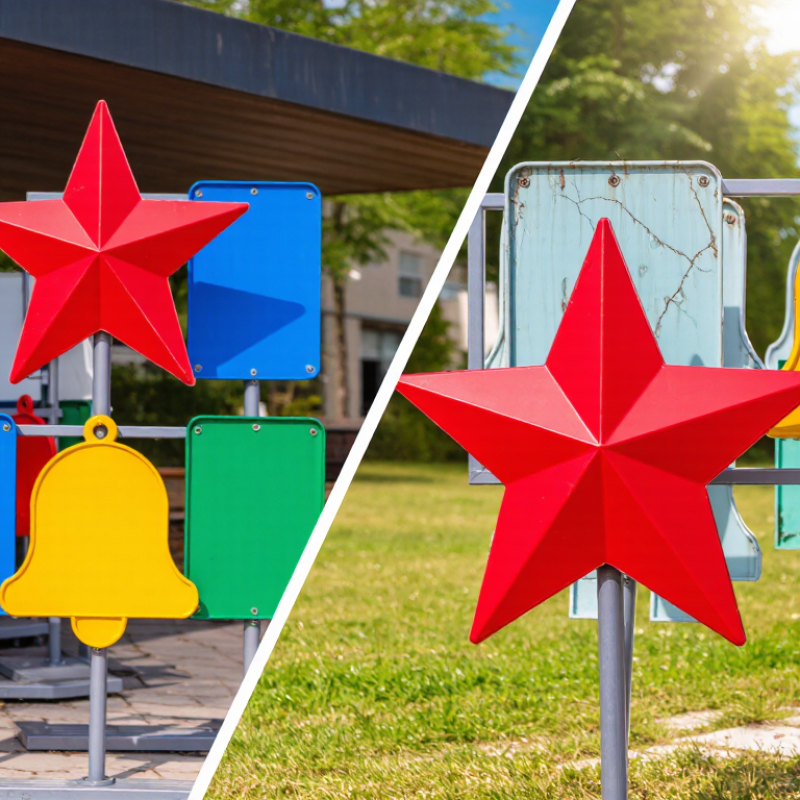
Outdoor plastic light motifs face more than rain, wind, and temperature changes. Day after day, sunlight exposes their housings, colored panels, and decorative details to ultraviolet radiation. Over time, some plastics may fade, become brittle, or develop fine surface cracks. The change can be subtle at first. A bright red panel may look slightly dull by late summer, while a shaded section stays vivid. Why is UV protection important for outdoor plastic light motifs? Because protecting the material can help preserve both appearance and useful service life, though the result depends on the plastic, pigments, exposure, and product design.

UV-resistant additives, protective coatings, and suitable polymer choices can reduce damage, but no treatment makes a motif immune to weather. That distinction matters. Buyers and project planners should check product specifications for stated UV resistance, intended outdoor use, and any available test information. A general claim such as “weatherproof” does not always explain how a product performs under prolonged sunlight. Installation also plays a role: a south-facing display in a sunny, open area may age differently from one beneath an awning. Inspecting surfaces, joints, and color changes each season can reveal early wear. Small cracks matter. They may allow moisture inside or signal that a part needs attention. Still, visible aging does not follow a perfect schedule, and real-world exposure varies. Good UV protection is a practical safeguard, not a promise of permanent color or strength.
Why UV Protection Matters for Plastic Light Motifs 2026

What UV Radiation Means for Plastic Light Motifs

UV radiation is invisible energy from sunlight, and plastic light motifs receive it even when they sit behind clear covers. The World Health Organization notes that UVA accounts for about 95% of the UV radiation reaching Earth’s surface. UVA penetrates many transparent materials more deeply than UVB, so a motif beside a sunny window may age even without direct rain. That matters indoors, too. UV exposure can break polymer chains and alter pigments, causing yellowing, fading, surface cracks, or reduced flexibility. A pale motif may look unchanged at first while its thin edges become brittle.

For a practical comparison, ISO 4892-3 sets out laboratory weathering tests using fluorescent UV lamps, moisture, and controlled exposure cycles. These tests help assess changes in color and material properties; they do not predict an exact outdoor lifespan. A real installation also faces heat, dust, and changing sunlight angles.

One caveat: test results can feel more precise than they are. A sample tested flat may not represent a curved motif with bright points and shaded recesses. Record the material, color, and exposure conditions, then inspect the same areas over time. Small changes matter. A cloudy patch or fine crack near a mounting hole can be an early sign that UV protection is wearing thin.

How Sunlight Changes Plastic Color, Clarity, and Strength

Sunlight can alter a plastic light motif long before it cracks. Ultraviolet radiation may break polymer chains or trigger oxidation, depending on the plastic and its additives. Early changes are often subtle: a clear panel turns faintly amber, a colored edge looks washed out, or fine haze softens the design. It begins quietly.

As the surface weathers, microscopic roughness and cracks scatter light, reducing clarity and making outlines less crisp. Heat and moisture can accelerate this process, so a motif beside a sunny window may age faster than one in a shaded room. Over time, some plastics also lose flexibility and become brittle. Materials differ. A surface that looks sound may still have weakened beneath its finish.

UV-resistant plastic, stabilizers, or a suitable protective coating can slow damage, but none makes a motif invulnerable. Ask for test data that matches the intended material and exposure, rather than relying on a general “UV-safe” claim. For an installed piece, inspect the sun-facing side for yellowing, fine cracks, or a chalky feel. Clean gently with a soft cloth; abrasive pads and unverified cleaners may add scratches or clouding. A small sample near the intended window can reveal obvious changes, but this test is imperfect: a few weeks cannot reliably predict years of exposure.

Why UV Protection Matters for Plastic Light Motifs 2026

Sunlight’s ultraviolet spectrum can contribute to yellowing, haze, and embrittlement in susceptible plastics. The chart shows the standard wavelength ranges for UV radiation—not measured changes in a specific plastic.

What this means: Atmospheric oxygen and ozone absorb nearly all solar UV-C, while UV-A and some UV-B reach the ground. UV exposure can drive polymer degradation, but the effects depend on the plastic, its additives, and exposure conditions. UV-stabilized materials and protective coatings can help slow these changes.

Which Plastics and Coatings Resist UV Damage

For outdoor plastic light motifs, material choice matters as much as the coating. The World Health Organization reports that UVA accounts for about 95% of the ultraviolet radiation reaching Earth’s surface; this persistent exposure can fade colors and embrittle unprotected polymers. Acrylic (PMMA) generally offers strong outdoor weatherability and good light transmission. Polycarbonate is tougher, but can yellow or lose surface quality unless it has a UV-resistant grade or protective layer. ASA is often a more weatherable alternative to standard ABS. Small details matter: a cut edge or screw hole can expose vulnerable plastic.

Coatings can add another barrier. UV-absorbing additives and hindered amine light stabilizers help slow degradation, while aliphatic polyurethane and fluoropolymer coatings can protect finished surfaces when properly applied. No coating is permanent. For comparison, ASTM G154 describes accelerated fluorescent-UV weathering; a common Cycle 1 uses eight hours of UV exposure at 60°C, followed by four hours of condensation at 50°C. These are test conditions, not a direct conversion to years outdoors. Ask suppliers for weathering results on the exact color, thickness, and coating system. I would still test a small sample in the intended orientation: dark motifs and horizontal surfaces can age differently.

How UV Protection Extends the Life of Light Motifs

Ultraviolet light can gradually weaken plastic light motifs, especially when they sit outdoors in direct sun. The damage may begin quietly: a bright red panel turns dull, or a clear edge becomes cloudy. UV exposure can break down polymer chains and fade pigments. Heat and moisture often speed the process.

UV protection helps slow that change. A UV-stabilized plastic or protective coating absorbs or limits some harmful radiation before it reaches the material. In practice, this can preserve color and reduce brittleness over repeated seasons. Small changes matter. Protection works best when it suits the plastic type and expected exposure; an indoor-grade coating may not hold up on a sunlit sign.

It is not a cure-all. Scratches, trapped dirt, and high temperatures can still shorten a motif’s life. Check exposed edges and mounting points for hairline cracks, chalky surfaces, or fading. Clean gently with a soft cloth and mild soap, since abrasive pads may damage a protective layer. If a coating is peeling, adding another layer without checking compatibility may make things worse. UV protection buys time, but regular inspection shows when the material needs attention.

How to Select and Maintain UV-Protected Motifs in 2026

Plastic light motifs can fade, chalk, or become brittle after repeated sunlight exposure. UV-protected does not mean UV-proof. Protection usually comes from additives within the plastic or a UV-resistant surface layer, and performance varies with material, exposure, and product design. A pale motif may show fading slowly, while a dark one can reveal uneven color sooner.

When selecting a motif, ask what type of UV protection it uses and whether test results cover outdoor exposure. Check the stated service conditions, not just the product label. Compare the motif’s thickness, finish, and mounting position; a south-facing wall usually receives more direct sun than a shaded porch. Also check whether the light source creates heat near the plastic. Small details matter. There is no perfect choice, and a higher price alone does not prove longer life.

For maintenance, inspect the plastic at the start of each season. Look for fine cracks, cloudy patches, loose edges, and fading around fasteners. Clean with a soft cloth, lukewarm water, and mild soap; abrasive pads or strong solvents may damage a coating. Keep the fixture dry before storage, and avoid bending cold or aged plastic. If the surface starts flaking, protection may already be compromised, even when the motif still lights normally.

Why UV Protection Matters for Plastic Light Motifs 2026 - How to Select and Maintain UV-Protected Motifs in 2026

Use this practical guide to compare materials, UV-protection options, installation conditions, and routine care for plastic light motifs. Suitability depends on the exact product construction and exposure conditions.

Decision Area What to Check Practical Selection or Maintenance Guidance Why It Matters
UV exposure Direct sunlight, installation direction, shade, and seasonal exposure Record whether the motif will be indoors, outdoors under cover, or fully exposed. Give extra consideration to long daily exposure and south- or west-facing locations in the Northern Hemisphere. Ultraviolet radiation can contribute to fading, surface chalking, loss of impact strength, and changes in plastic appearance over time.
UV wavelength range Protection information for UV-A and UV-B Ask for the supplier’s stated protection range and test documentation. UV-A is approximately 315–400 nm; UV-B is approximately 280–315 nm. “UV-protected” can describe different technologies and performance levels, so the term alone does not establish how a product will perform.
Plastic material Resin type, grade, thickness, and intended environment Compare the specific grade rather than relying on the generic material name. Acrylic (PMMA), polycarbonate, PVC, and polyethylene can differ in impact resistance, clarity, processing, and outdoor weathering performance. UV resistance varies by formulation and construction; material type alone is not a guarantee of service life.
UV-protection method UV absorber or stabilizer in the plastic, protective coating, or UV-filtering cover Confirm which layer provides protection, whether both faces are protected, and whether cutting, drilling, or edge finishing affects the protected surface. Protection incorporated into a material and protection applied as a surface layer may respond differently to abrasion, weathering, and fabrication.
Evidence of performance Weathering-test method, exposure conditions, and reported results Request test reports for the relevant material or finished motif. Treat accelerated-weathering hours as laboratory exposure data, not as a direct conversion to years outdoors. Test conditions and acceptance criteria affect the meaning of results; comparable documentation supports a more informed product comparison.
Color and light transmission Color stability, haze, clarity, and changes after weathering For illuminated motifs, review samples or test data in both daylight and lit conditions. Check whether the protective layer changes visible light transmission or surface gloss. UV exposure can affect appearance, while coatings or filters can also influence the look and brightness of the finished motif.
Temperature and installation Operating temperature, heat from light sources, ventilation, and mounting Follow the product’s temperature limits and keep the specified clearance from heat-producing components. Allow for movement where the design or mounting instructions require it. Heat and mechanical stress can affect plastics independently of UV exposure and may accelerate distortion or cracking.
Cleaning routine Approved cleaners and cloth type Remove loose dust with water first, then use a soft non-abrasive cloth and a mild, compatible cleaner. Test cleaners on a small inconspicuous area and follow the manufacturer’s instructions. Rough pads, abrasive powders, and incompatible solvents can scratch or damage plastic surfaces and protective coatings.
Inspection schedule Changes in color, clarity, surface condition, joints, and fasteners Inspect periodically and after severe weather. Record visible changes and check for cracks, peeling coating, loose mounts, and moisture entry. Early detection can help identify maintenance needs before surface or mounting problems become more extensive.
Replacement planning Warranty terms, maintenance requirements, and acceptable appearance Keep product specifications and care instructions with the installation record. Use the stated warranty conditions when evaluating replacement timing. Actual service life depends on the material, UV exposure, climate, installation, and upkeep; a universal replacement interval is not reliable.

Selection note: For outdoor use, compare documented performance for the finished product and its intended exposure. No single material or UV-treatment method is suitable for every installation.

FAQS

Can sunlight damage a plastic light motif indoors?

Yes. UVA can pass through many clear covers and windows. A sunny sill may quietly yellow a pale edge.

What visible signs suggest UV damage?

Look for fading, amber tint, cloudy patches, hairline cracks, or a chalky feel. Check thin edges and mounting holes. Small signs matter.

Does UV-resistant plastic prevent all damage?

No. Stabilizers and coatings slow damage, but heat, moisture, and scratches still matter. Protection buys time, not immunity.

How useful are laboratory UV test results?

Ask for data matching the material and expected exposure. Tests compare color and material changes, but cannot predict an exact outdoor lifespan. A flat sample may not represent curved areas or shaded recesses.

Can a small sample predict how long a motif will last?

A sample near the intended window can reveal obvious changes after a few weeks. It cannot reliably predict years of exposure. A clue, not a promise.

How should I clean a sun-exposed motif?

Use a soft cloth and mild soap. Avoid abrasive pads and unverified cleaners; they may scratch or cloud the surface. Gentle cleaning helps.

Where should I look for early damage?

Inspect sun-facing surfaces, exposed edges, and mounting holes. Fine cracks can hide near a screw opening, so even careful checks may miss them.

What should I do if a protective coating peels?

Check whether another layer is compatible before applying it. A mismatched coating may worsen the surface. The right choice is not always obvious.

Conclusion

UV radiation is an invisible part of sunlight that can gradually damage plastic light motifs used outdoors. Over time, exposure may fade colors, cloud transparent surfaces, and weaken plastic, making decorations look worn or more likely to crack. Why is UV protection important for outdoor plastic light motifs? It helps preserve their appearance and strength through changing seasons, so they can remain attractive and usable for longer.

Some plastics naturally resist UV exposure better than others, while UV-resistant coatings can add another layer of defense. Choosing motifs designed for outdoor use, with materials and finishes suited to their expected sun exposure, can reduce premature deterioration. Regular care also matters: clean surfaces gently, inspect for fading or brittleness, and follow the maker’s storage guidance when motifs are not in use. In 2026, considering UV resistance alongside design, clarity, and durability can help people select outdoor lighting decorations that better withstand sunlight and maintain their intended look.

Oliver

Oliver

Oliver is a seasoned marketing professional with a wealth of expertise in driving brand awareness and engagement. With a deep understanding of our company's product offerings, he consistently delivers high-quality content that enriches our professional blog. His insights not only shed light on......