Lighting decisions shape how a room feels, functions, and responds to people. When a stage, retail display, hotel lobby, or event space needs more than one fixed color, control becomes essential. This raises an important question: Why choose DMX RGB lighting over traditional static LEDs? DMX RGB systems can change color, brightness, timing, and fixture behavior through a shared control network. A static LED usually delivers one steady output. That simplicity can work well, but it may limit creative and operational flexibility.
This guide introduces seven practical reasons to consider DMX RGB lighting. The discussion covers programmable scenes, smoother transitions, centralized control, energy management, and long-term adaptability. For example, a venue can use cool white light during setup, warm amber during dinner, and saturated blue for a performance. Operators can adjust these scenes from a console instead of replacing fixtures or rewiring circuits. That saves time.
Real installation experience also reveals important limits. DMX requires correct addressing, reliable cabling, compatible equipment, and trained operation. Poor configuration can cause flicker, delayed responses, or unexpected color changes. It is not automatically better. A small corridor may only need dependable static illumination. Careful planning matters more than impressive specifications. The following tips balance creative value with maintenance, safety, budget, and system reliability, helping readers choose based on actual project needs rather than marketing claims.
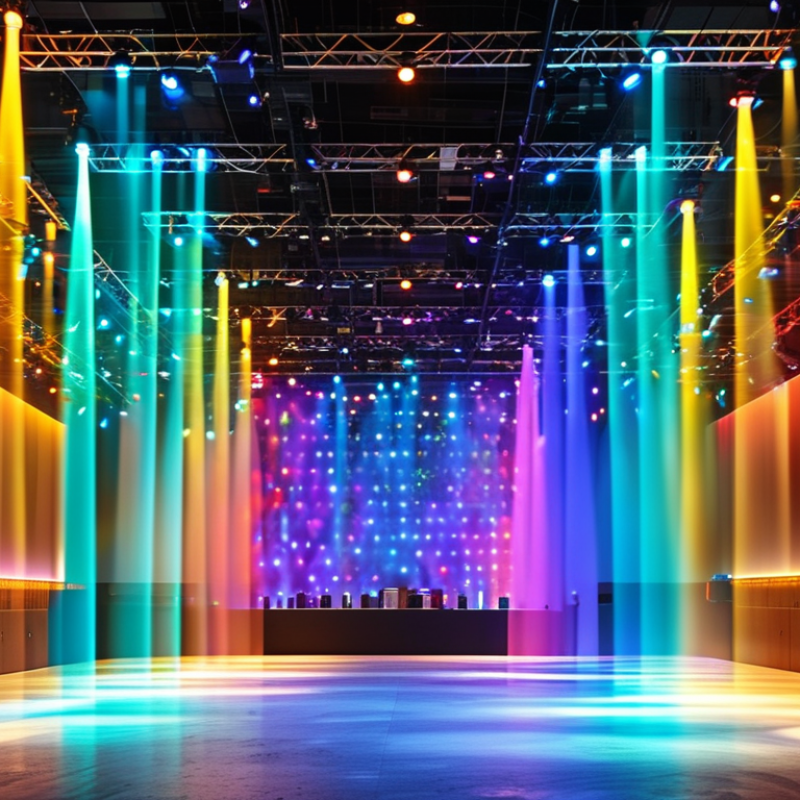
What DMX RGB Lighting Is and How It Differs from Static LEDs
DMX RGB lighting uses a digital control protocol to manage red, green, and blue LED channels. A controller sends separate commands for color, brightness, timing, and movement. One fixture can display deep blue, warm amber, or a slow color fade. Static LEDs usually provide one fixed color or a limited preset. They turn on, dim, or switch off without receiving detailed scene instructions.
The difference becomes clear in a real room. With DMX, a hallway can shift from soft white during registration to saturated purple during a performance. Each fixture receives an address, so operators can control zones independently. Static LED systems need simpler wiring and setup. That can reduce installation time and maintenance. Less complexity helps in small shops, storage areas, and ordinary workspaces. Keep it simple.
A reliable DMX installation still needs careful addressing, compatible signal cables, and proper power planning. Testing each channel before opening an event can reveal reversed data lines or uneven color output. I have found that programmed colors may look different across fixtures, even with identical settings. Lens design, LED quality, and surrounding wall colors all affect the result. DMX is not automatically better. It offers control, but control creates more decisions. For a quiet display cabinet, static LEDs may be the more sensible choice.
How DMX Control Enables Dynamic Color and Brightness Changes
DMX RGB Lighting: Dynamic Control for Better Spaces
Static LEDs deliver one fixed color and brightness level. DMX RGB lighting offers much more control. Each fixture can receive separate channel instructions for red, green, blue, and dimming. This allows smooth color mixing instead of sudden color changes. A warm amber tone can fade into deep blue during a live presentation. Brightness can also shift gradually, reducing visual discomfort for visitors.
Control happens through programmed scenes, timed cues, or manual adjustments. In a small event room, operators can lower brightness during a video and raise it for discussion. Different zones can follow different settings. A wall wash may remain soft while aisle lighting becomes brighter. These changes improve atmosphere and practical visibility without replacing fixtures.
The setup needs careful planning. Addressing errors can make several lights respond together. Poor color calibration may also create uneven whites. It is not always perfect. Test each fixture at low brightness, medium brightness, and full output. Leave enough time for cable checks and cue revisions. DMX control adds equipment and learning requirements, but it provides useful flexibility when lighting conditions change quickly.
Why DMX RGB Systems Offer Greater Design Flexibility
DMX RGB lighting gives designers control that static LEDs rarely provide. In practical installations, one fixture can shift from a calm amber wash to a vivid blue accent within seconds. This flexibility helps spaces respond to different activities, moods, and audience expectations.
A DMX system allows each light, group, or zone to receive separate instructions. A restaurant might use soft tones during dinner, then create stronger movement for an evening event. In a gallery, lighting can guide attention without changing the artwork or room layout. Color, brightness, timing, and transitions can be adjusted from a central controller. Small changes matter. A two-percent brightness adjustment can reduce glare near polished surfaces.
I have found that programming requires more thought than buying the fixtures. The first patch can be messy, especially when channels are assigned inconsistently. Clear addressing, reliable cables, and documented scenes prevent many problems. Static LEDs remain useful for simple, fixed applications. DMX RGB systems may also demand higher planning, testing, and maintenance. That trade-off is easy to underestimate. Yet when a venue changes frequently, programmable lighting can reduce physical adjustments and support faster creative decisions. A carefully timed fade across a hallway can feel more natural than a sudden color change. Still, designers should test every scene under real viewing conditions, because colors often appear different on walls, floors, and reflective materials.
How DMX RGB Lighting Improves Automation and Scene Management
DMX RGB lighting gives automation a clearer language than static LEDs. Each fixture can receive precise instructions for color, brightness, timing, and movement. A lighting controller can trigger a calm blue scene when doors open. It can shift to warmer tones during a presentation. This turns lighting into a responsive system, not fixed decoration.
In practice, scene management saves operators from adjusting many channels manually. Small changes become repeatable.
A well-designed DMX network supports scheduled scenes, sensor inputs, and timed fades. Operators can store settings for cleaning, meetings, performances, and emergency visibility.
Cue transitions may last ten seconds instead of changing abruptly. That softer response improves comfort and protects the visual rhythm of a space. RGB control also helps facilities test energy use by lowering intensity where brightness is unnecessary. Data logs can reveal which scenes run too often.
Reliable results depend on addressing, cable quality, load planning, and regular testing. One wrong channel may turn an amber scene into harsh green. It happens. Technicians should label circuits and test every cue under real conditions. Color can look different on walls, screens, and reflective floors. That detail is easy to miss.
DMX RGB lighting offers flexibility, but flexibility can create clutter without clear naming rules. A simple scene library, documented fallback settings, and trained operators make automation safer and easier to review. Some systems still need manual correction when sensors misread occupancy or daylight.
Key Factors for Choosing DMX RGB Lighting Over Static LEDs
DMX RGB lighting offers control that static LEDs cannot match. Each fixture can change color, brightness, and timing through digital commands. This matters in restaurants, galleries, stages, and architectural spaces with changing scenes. A single control system can create warm evening tones, sharp event colors, or gentle transitions. Static LEDs remain predictable, but they provide limited visual flexibility.
Installation planning is a major factor. DMX systems need compatible controllers, addressing, signal cables, and proper termination. Each fixture should be tested for channel order and color accuracy before final mounting. I have found that careful addressing prevents confusing faults during live operation. Small errors can make one light respond incorrectly. That is frustrating.
Power distribution also deserves attention. RGB fixtures may draw different loads at full white than during colored scenes. Measuring circuits is safer than relying on estimated consumption. Good documentation helps technicians adjust scenes without damaging equipment or losing consistency. DMX can support detailed programming, but it demands more training than static lighting. My early installations sometimes used too many effects. Simpler scenes often looked more professional. Maintenance is another consideration, because failed cables or incorrect settings can interrupt an entire lighting zone. For projects requiring interactive control, scheduled changes, or precise mood design, DMX RGB is usually the stronger choice. For a small room with one steady color, static LEDs may still be more practical.
Why Choose DMX RGB Lighting Over Static LEDs?
Key technical factors comparing a typical single-color static LED fixture with one RGB fixture controlled through DMX512.
DMX RGB lighting provides three independently controlled color channels—red, green, and blue—enabling color mixing, dynamic scenes, dimming, and synchronized effects. A typical static LED fixture normally provides one fixed output channel and does not use DMX control. A DMX512 universe supports up to 512 control slots, although the actual capacity depends on the fixture’s channel footprint.
Conclusion
DMX RGB lighting offers a flexible and intelligent alternative to traditional static LEDs. Unlike static systems that provide one fixed color or brightness level, DMX RGB fixtures can be individually controlled to produce a wide range of colors, smooth fades, dynamic effects, and precise brightness adjustments. This makes them suitable for spaces that need changing atmospheres, coordinated visual designs, or responsive lighting scenes.
Why choose DMX RGB lighting over traditional static LEDs? The main advantages include greater creative freedom, easier automation, and more efficient scene management. Users can program multiple lighting zones, schedule transitions, and recall customized settings for different activities or environments. When selecting a DMX RGB system, consider control compatibility, fixture quality, installation requirements, scalability, energy use, and long-term maintenance. For projects that value adaptability and engaging visual experiences, DMX RGB lighting provides a more versatile and future-ready solution than fixed-output LEDs.

 WoodLit Light