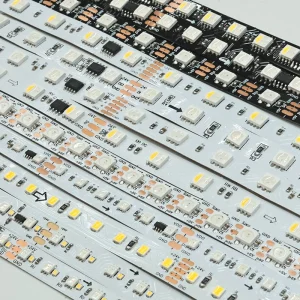
In modern commercial architecture and urban planning, Programmable Digital Tube Lights (also known as DMX linear tubes, pixel tubes, or addressable LED media bars) have transitioned from decorative accents to key components of intelligent building envelopes. Unlike traditional monochromatic static tube lighting, programmable tubes leverage specialized Integrated Circuits (ICs) combined with control interfaces like DMX512 or SPI. This allows operators to manipulate individual segments (pixels) of a linear fixture independently.
By mapping coordinate data to these individual pixel nodes, designers can convert a building’s exterior structure into a low-to-medium resolution video display, commonly referred to as a media facade. For procurement officers and project engineers, finding the right manufacturing partner in China is critical. Standardized products rarely fit custom architectural parameters, which is why a factory's capability in custom design, raw material testing, and signal protocol configuration represents the backbone of successful execution.
E-E-A-T Technical Insight: Pixel resolution, control refresh rates, and signal redundancy are critical metrics. A premium digital tube light configuration typically features at least 8 to 16 distinct pixels per meter, driven by reliable ICs like the UCS512C3 or TM1914. This structure guarantees that signal degradation or a single node failure will not cause complete downstream system outages.
B2B buyers procurement of architectural lighting face challenges beyond simple pricing. Enterprise projects, such as municipal bridges, commercial towers, and theme parks, require multi-decade operational reliability. Standard procurement demands center around five core performance pillars:
Over long linear runs, DC voltage drops lead to dimming or color shifting at the end of the line. Factories must engineer circuits using thicker PCB copper traces (2oz or 3oz) and transition to higher operating voltages (DC24V or DC36V) to ensure consistent luminosity.
Global systems integrators demand support for standard architectural systems, requiring DMX512 controllers with RDM (Remote Device Management) capabilities for bidirectional communication and remote fault diagnostics.
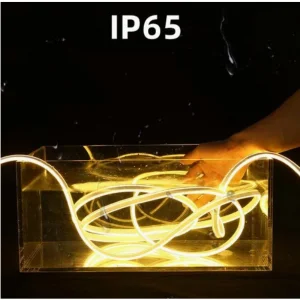
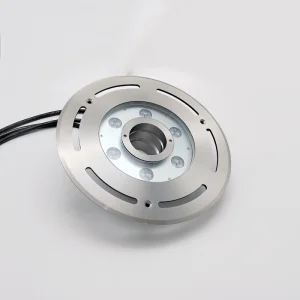
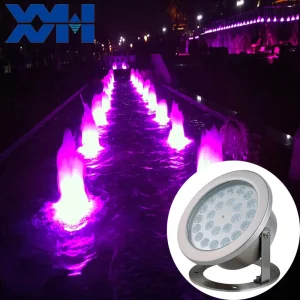
External fixtures must withstand heavy rain, humidity, and atmospheric changes. Outdoor installations require IP67 ratings with double silicone-extruded sealing, or IP68 epoxy resin filling for submerged fountain displays.
Integrating programmable digital tube lights into complex building environments requires robust technical design and planning. Different applications require specific hardware configurations:
High-rise commercial buildings require light weight, high transparency, and low wind resistance. Digital tube lights are mounted parallel on structural transoms or vertical mullions. By using high-performance diffusers (frosted or semi-milky polycarbonate), the individual LED nodes blend smoothly, avoiding pixelation and reducing direct glare for neighboring structures.
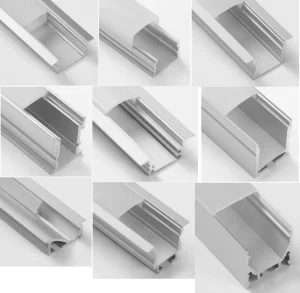
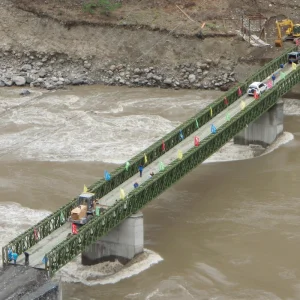
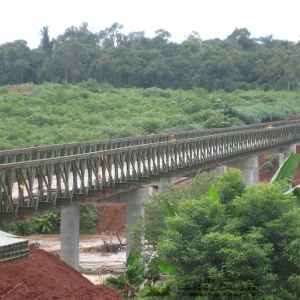
Bridges present harsh installation environments characterized by structural vibrations, high humidity, salt spray, and extreme temperature cycling. Digital tube lights deployed in these settings require aluminum profile casings, outdoor-grade anti-UV materials, and shock-resistant mounting clips. Heavy duty cabling with waterproof connectors is crucial to prevent moisture ingress through capillary action.
Festivals require rapid deployment, light weight, and interactive programming. Digital tube lights must interface seamlessly with music synch controllers and ambient sensors. Solutions include quick-connect cabling and lightweight profiles that reduce installation times for massive structural arrays, such as tunnel displays or interactive arches.
The linear architectural lighting industry is shifting from traditional, basic RGB set-ups to smart, highly efficient, and high-fidelity dynamic networks:
| Technology Era | Control Protocol | Luminous Performance | Diagnostic Capability |
|---|---|---|---|
| Traditional (Generation 1) | Basic SPI / Monolithic DMX | RGB Standard (Low CRI) | None (Manual inspection required) |
| Modern (Generation 2) | DMX512-RDM / Smart SPI | RGBW (Deep pastel control) | Remote address setup, basic fault feedback |
| Future Roadmap (Generation 3) | Ethernet / Wireless IoT / 5G mesh | RGBW + Amber/CCT (High CRI > 90) | Predictive AI failure warning, real-time thermal monitoring |
The future of architectural lighting relies on smart integrations. Transitioning to RGBW (Red, Green, Blue, White) chips provides richer pastel colors and clean, natural whites. Integrating wireless IoT controls allows designers to deploy large networks of tube lights without routing data cables, significantly cutting installation costs on historic properties and complex facades.
Foshan WoodLit Light Co., Ltd. is a professional manufacturer and integrated solution provider specializing in decorative lighting for holidays, festivals, and large-scale event projects. Since our establishment in 2021, we have been committed to combining creativity, advanced technology, and reliable manufacturing to deliver high-quality lighting products and customized solutions to clients worldwide.
Our core product portfolio covers a wide range of decorative and architectural lighting, including fairy string lights, 3D motif sculpture lights, Christmas tree lights, street cross decorations, neon lights, LED rope lights, curtain lights, and intelligent programmable projection lights. These products are widely applied in municipal lighting projects, commercial complexes, shopping malls, theme parks, hotels, tourism attractions, and various festive celebrations such as Christmas, New Year, and cultural festivals.
At WoodLit Light, we understand that every project is unique. Our experienced design and engineering team works closely with clients to transform concepts into reality. From initial idea discussion, design drafting, 3D rendering, and sample development to mass production and final delivery, we provide a one-stop customized service. Whether you require standard products or fully customized lighting installations, we are capable of meeting diverse requirements with flexibility and efficiency.
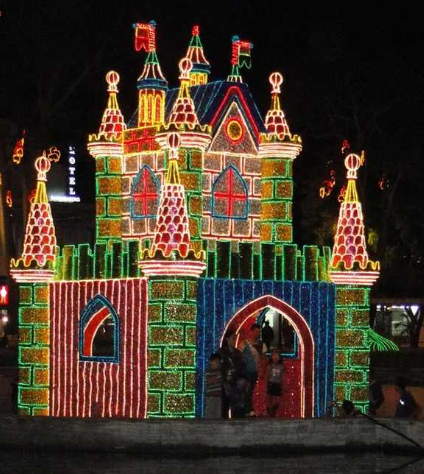
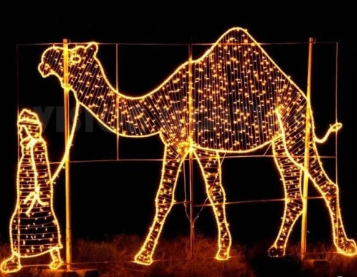
Quality is at the core of our business. We implement strict quality control systems throughout the entire production process, from raw material selection to final inspection. Our products comply with international standards and have obtained certifications such as CE and RoHS, ensuring safety, durability, and environmental compliance. In addition, we continuously invest in upgrading our production equipment and adopting energy-efficient LED technologies to provide sustainable lighting solutions.
With a team of over 100 skilled employees and well-organized production lines, we are able to handle both small-batch customization and large-scale project orders. Our strong supply chain management and efficient logistics system enable us to ensure on-time delivery and stable product quality, helping clients successfully complete their projects without delays.
Over the years, Foshan WoodLit Light Co., Ltd. has established long-term partnerships with clients from Europe, North America, the Middle East, and Southeast Asia. We have gained a solid reputation for our competitive pricing, professional service, and reliable product performance. Customer satisfaction is always our top priority, and we strive to exceed expectations through continuous improvement and innovation.
Looking ahead, we will continue to expand our product range, enhance our design capabilities, and strengthen our global presence. We sincerely welcome partners from all over the world to collaborate with us and create impressive, eye-catching lighting displays that bring festive joy and visual impact to every project.
Importing architectural lighting hardware into markets like the EU, North America, or Australia requires adherence to strict local compliance pathways. At Foshan WoodLit Light Co., Ltd., we handle these administrative and safety standards early in the design stage, reducing the regulatory burden on our clients.
 WoodLit Light